Serverless Gateways
Turning complex infrastructure setup into a zero-to-one deployment experience. Developers from signup to sending real API traffic in under five minutes.
Senior Staff Product Designer · Jul 2024
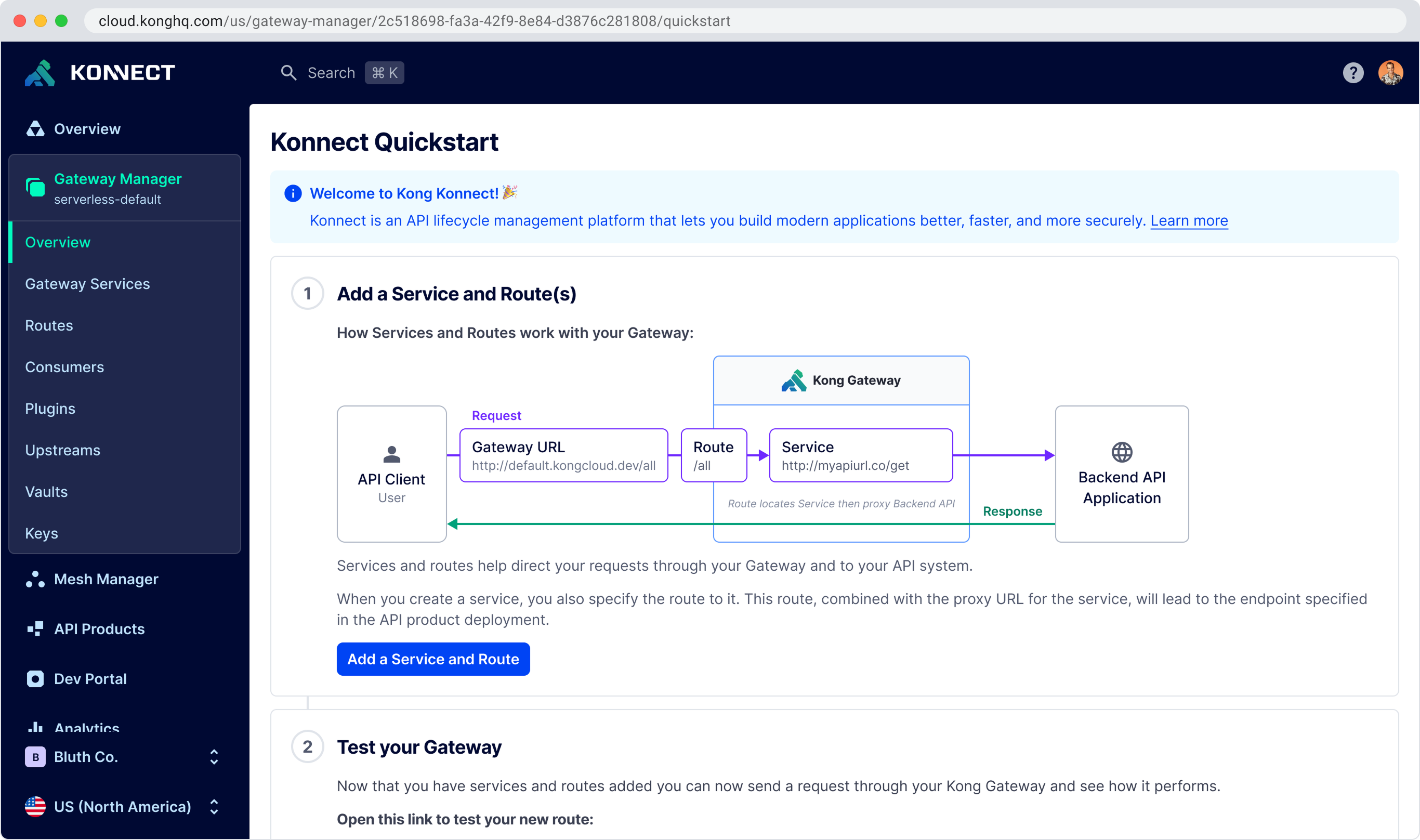
90% of new organizations failed to activate after signup. Not a minor usability gap. A structural growth problem. To get started, users had to provision a dataplane, connect it via CLI, create a service, and define a route. Each step assumed architecture knowledge most users didn't have yet. Each step required jumping between Konnect, documentation, and a local terminal. 60 to 70% dropped off at the first wall they hit.
95% of ARR came through Sales because the product couldn't close itself. I designed Serverless Gateway to change that. Remove infrastructure as a prerequisite. Provision a ready gateway at signup. Put users in front of value before complexity could stop them.
The Problem
Kong Konnect saw around 1,000 new organizations per week. 90% of them failed to activate after signup. 60 to 70% dropped off at a single step: Connect a Dataplane.
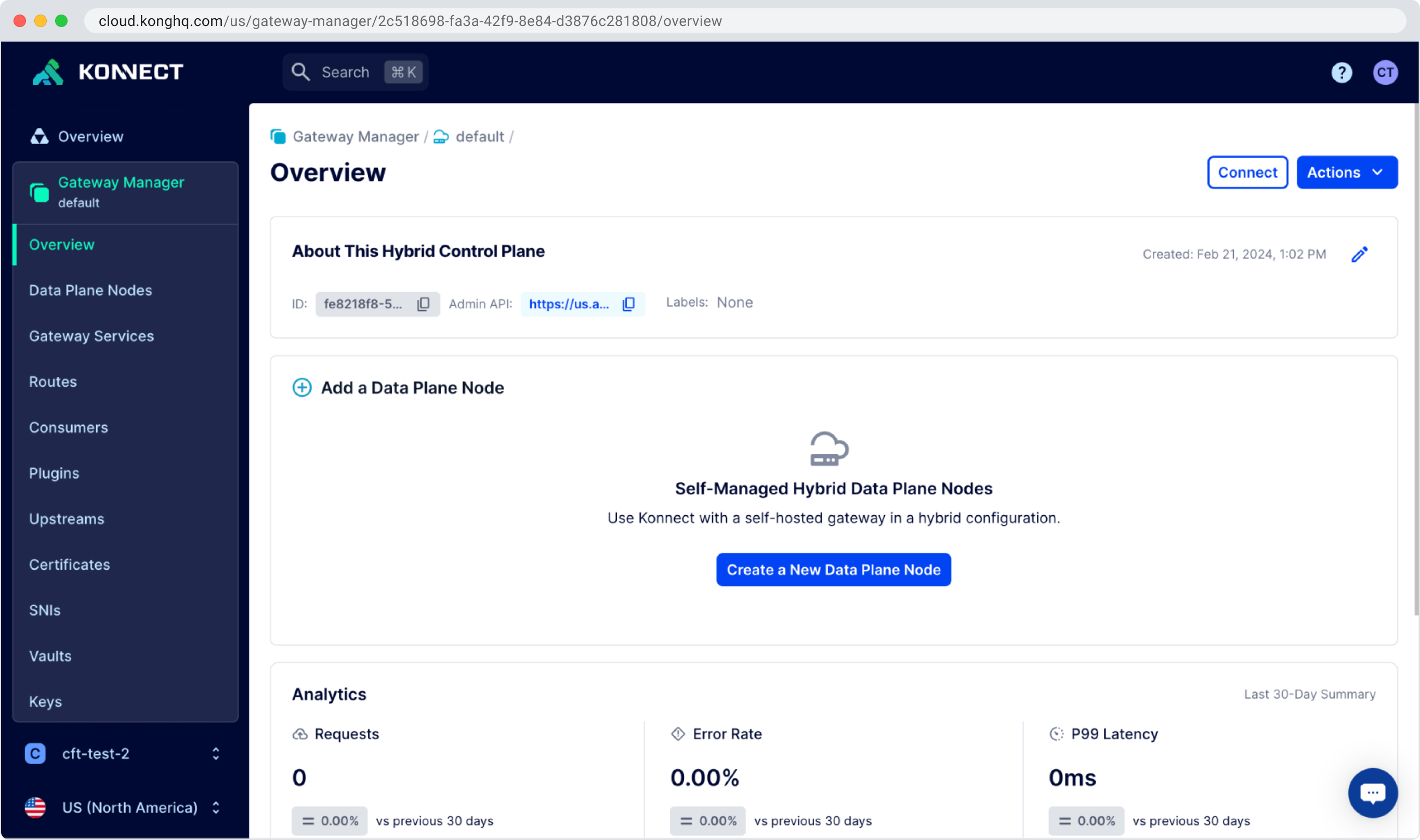
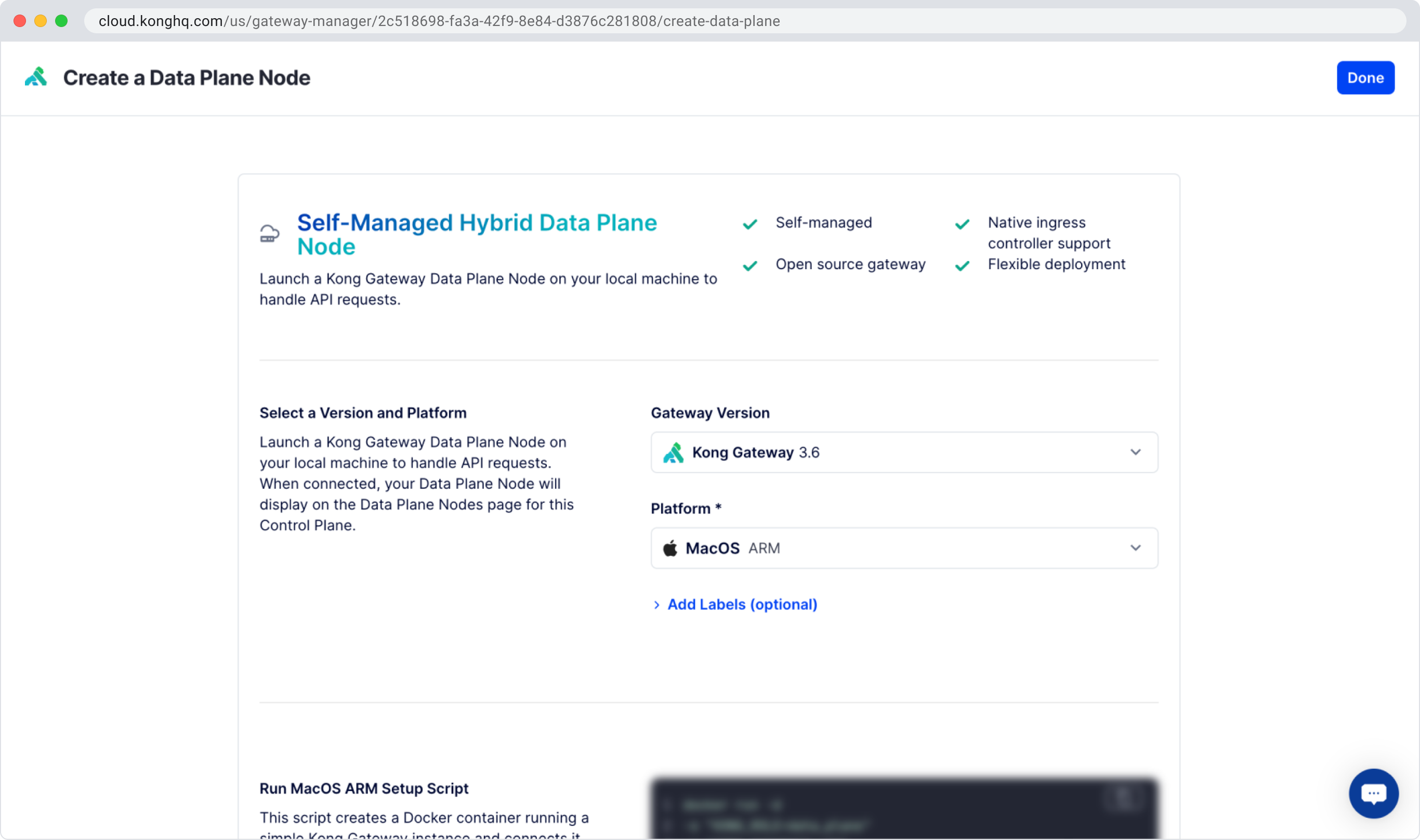
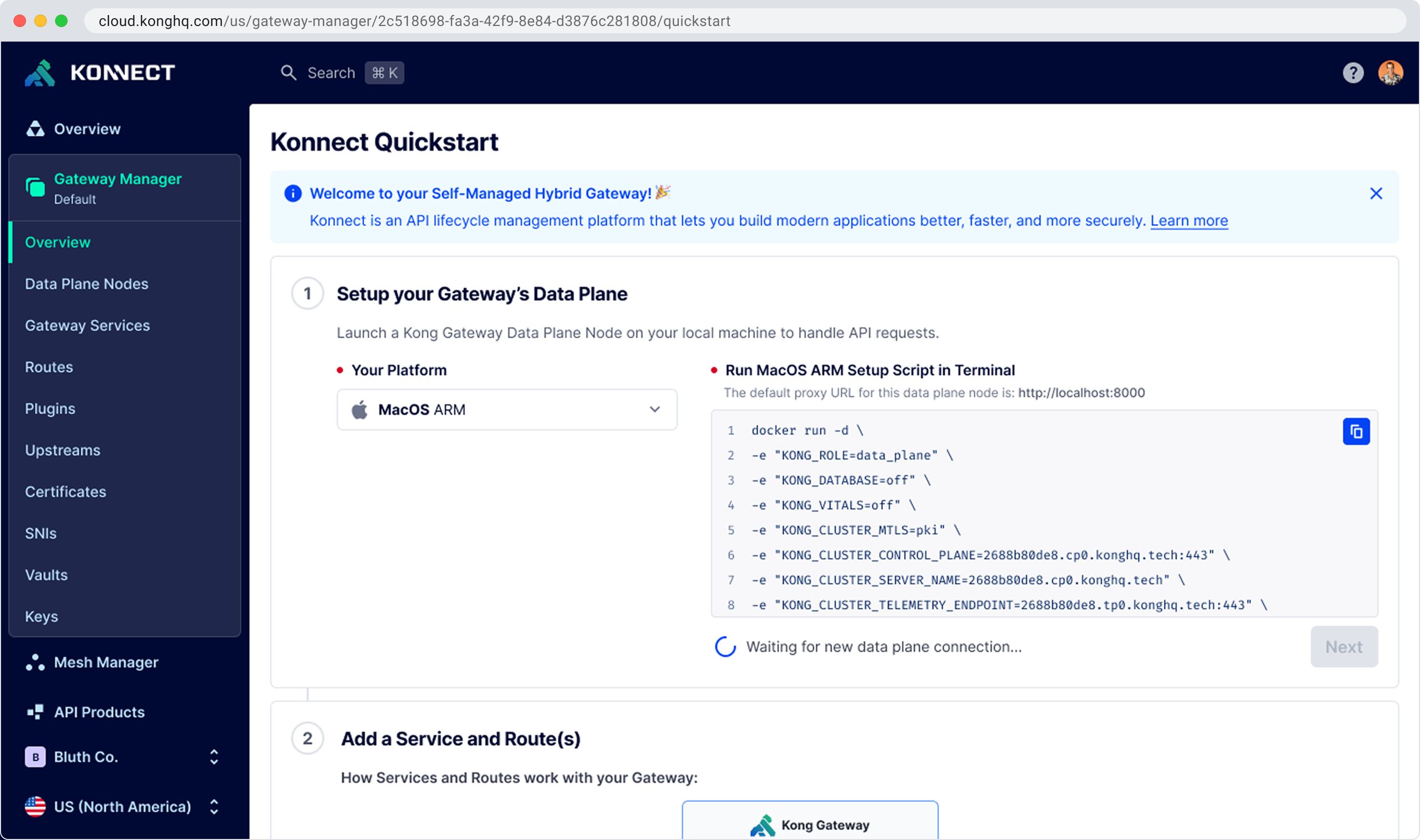
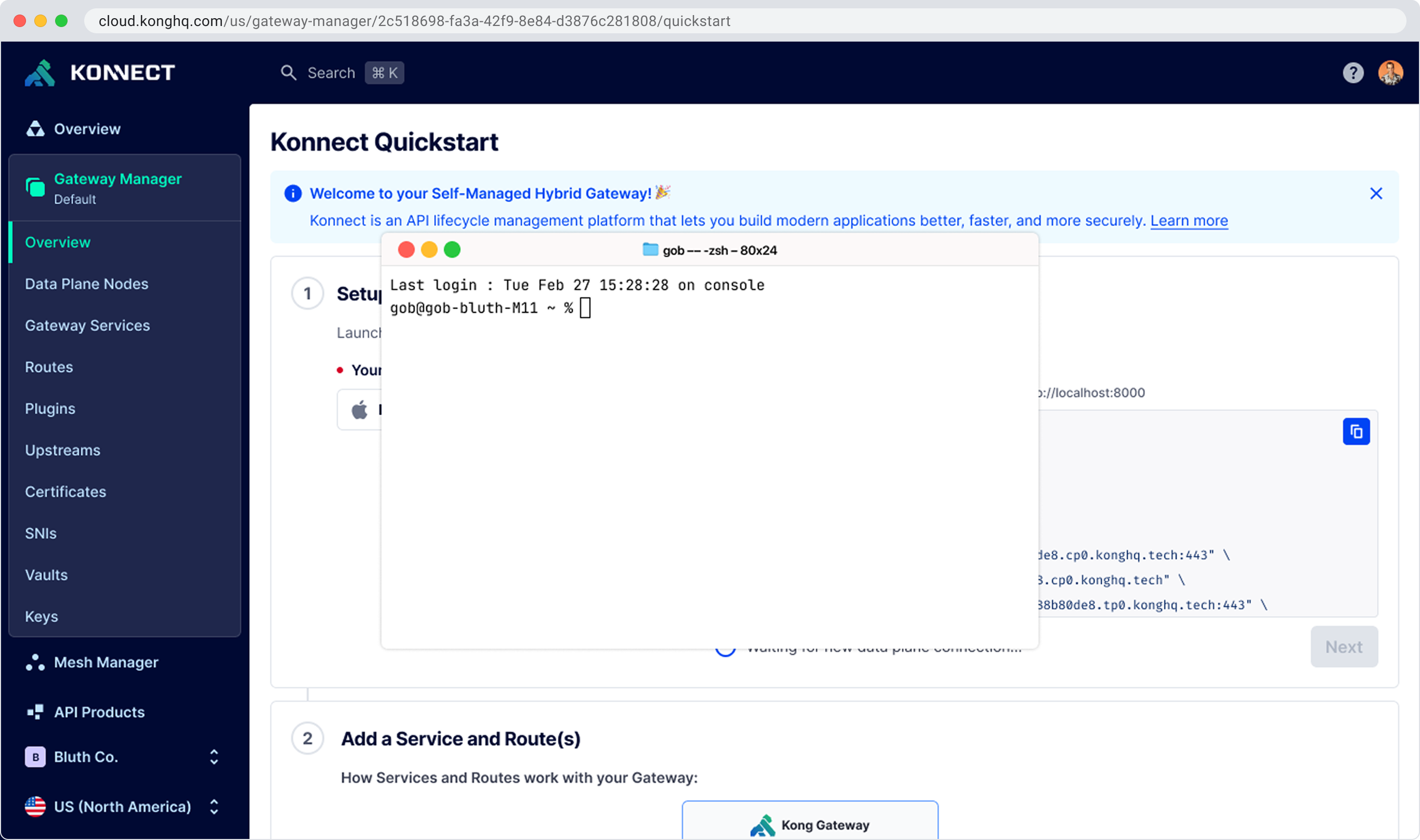
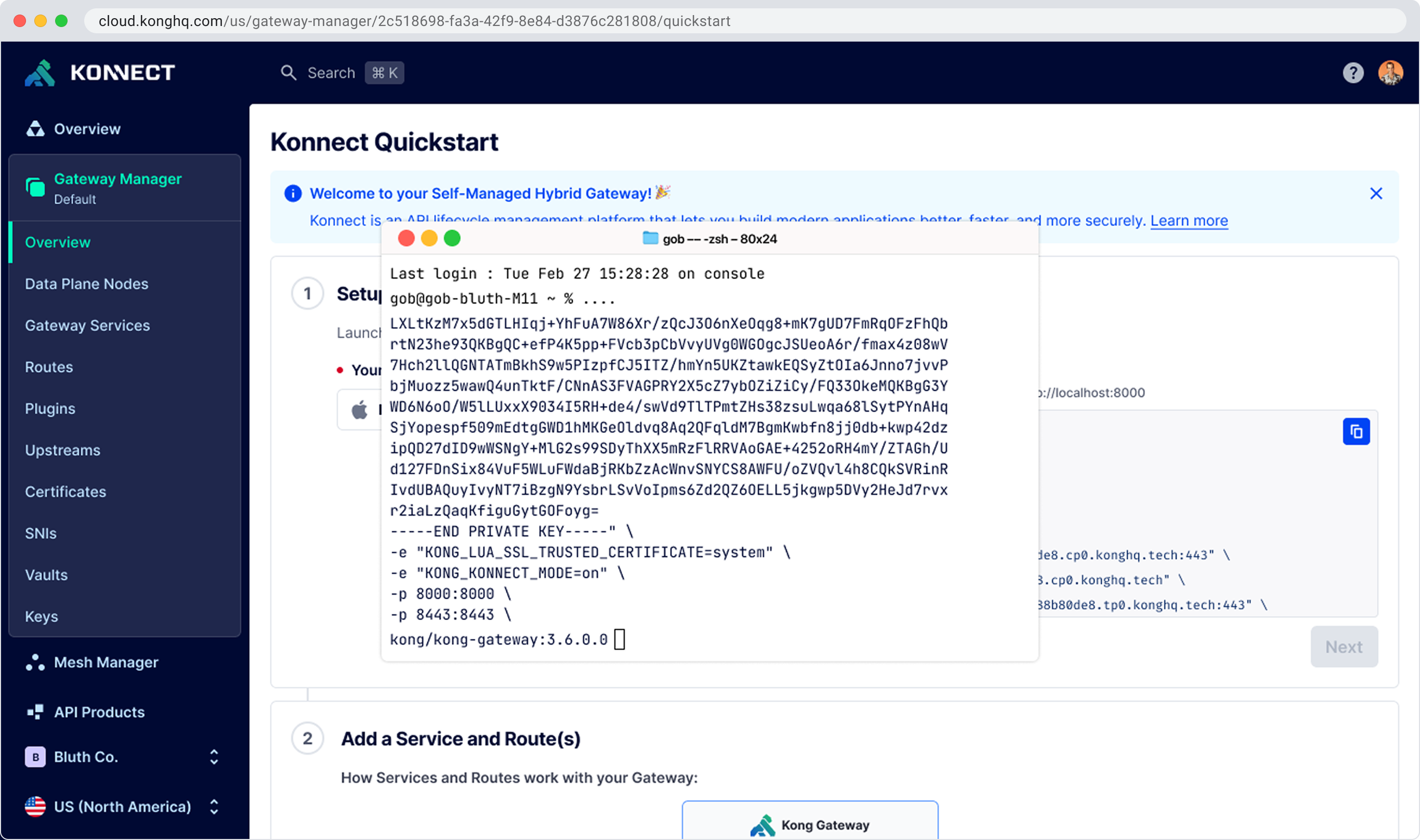
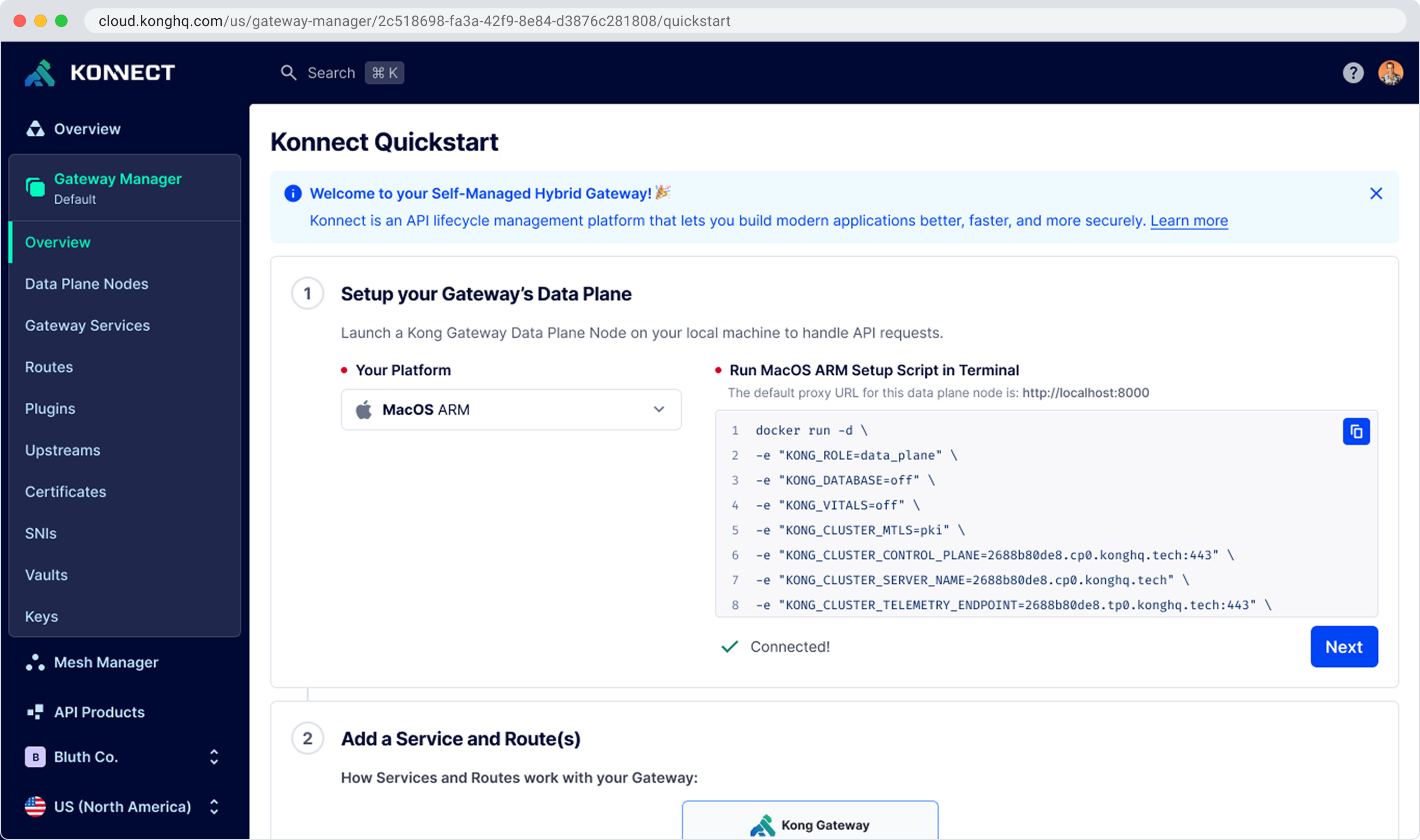
To get past that step, users had to provision infrastructure, connect a local dataplane via CLI, then return to the console to create a service and define a route. Each step assumed knowledge they didn't have yet and required context-switching across three different environments. They were being asked to set up before they could evaluate.
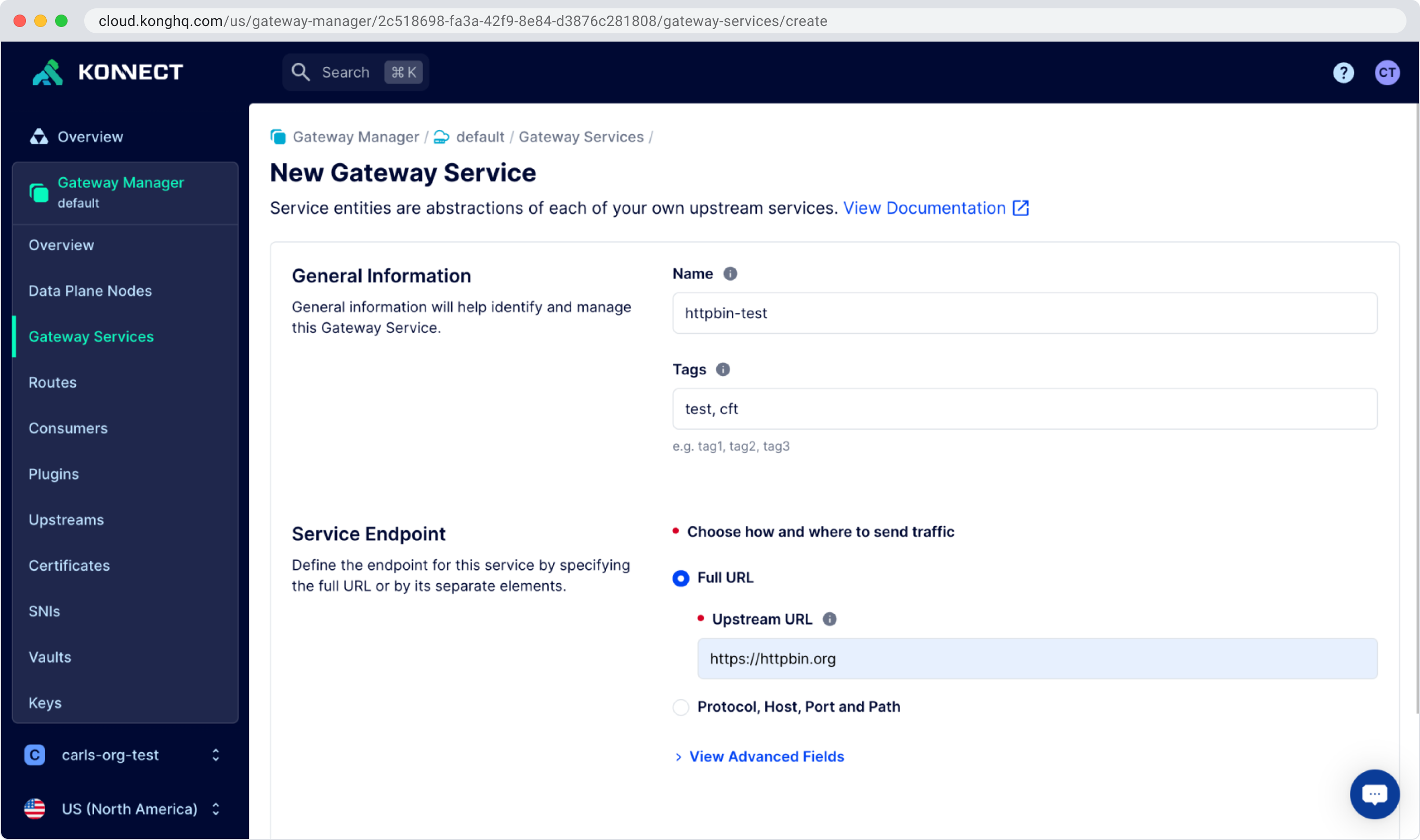
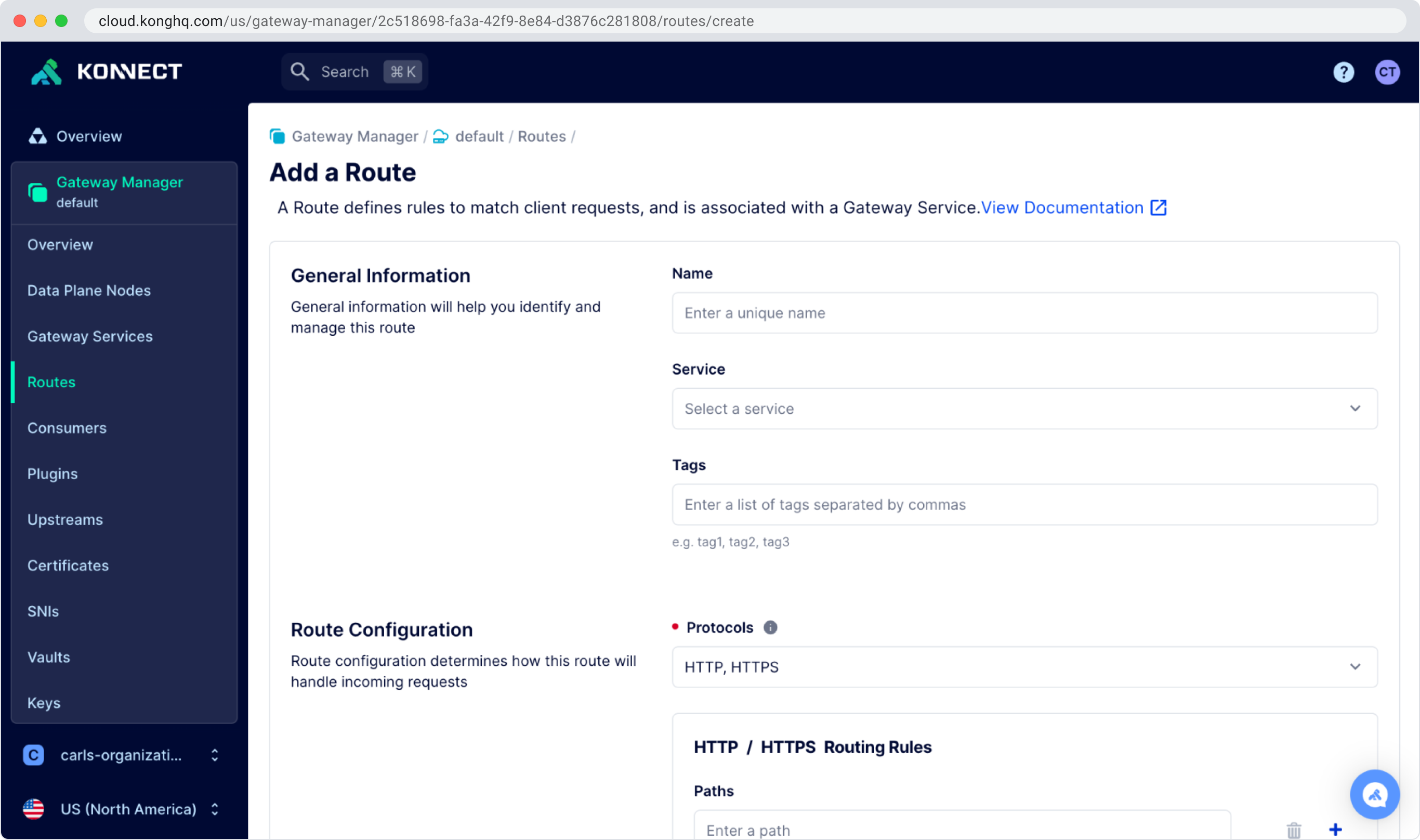
User Insights
Backed by funnel data, support tickets, and user interviews, four core blockers emerged:
I want to try Kong, but I don't want to spend hours setting it up just to see what it does.
Kong customer, user interview
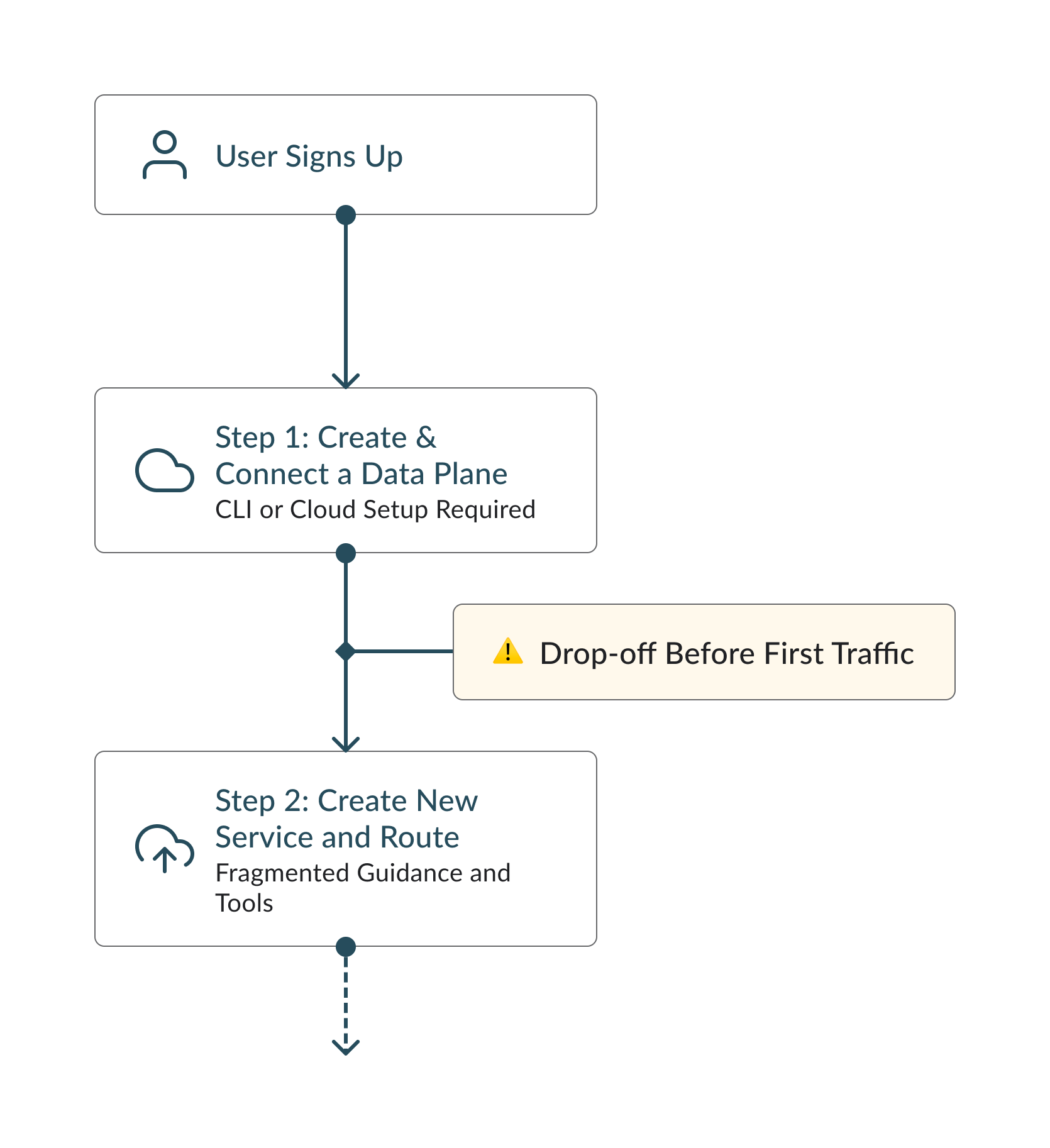
Hypothesis
If we remove the need to download the dataplane to try the features of Konnect gateway, we will see more organizations experience the value of the product. We would measure this as an increase in the activation and retention of new organizations.
Goals
User Goals
Business Goals
Competitive Context
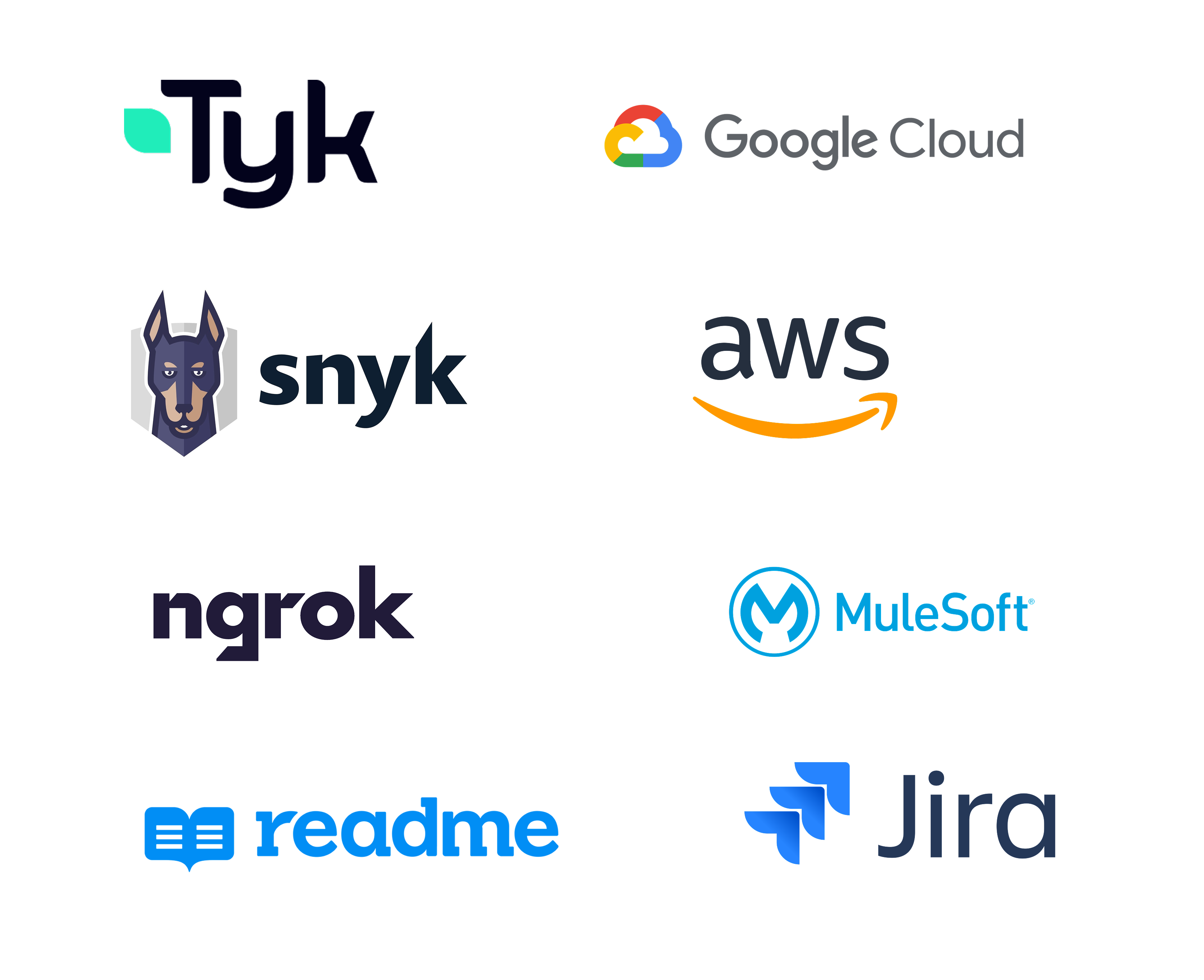
I reviewed onboarding across AWS, Google Apigee, Mulesoft, Tyk, Ngrok, Snyk, Readme, and Jira. Most platforms assumed infrastructure readiness before gateway usage.
That gap was the opportunity. Serverless Gateway could meet developers where they actually are, then give them a clear path to scale when ready.
Unblocking Users from the Start
Legacy Flow
🔁 Each step was spread across Konnect, docs, and terminals.
Serverless Gateway
✅ No dataplane setup required — value in under 5 minutes.
Understanding the Architecture
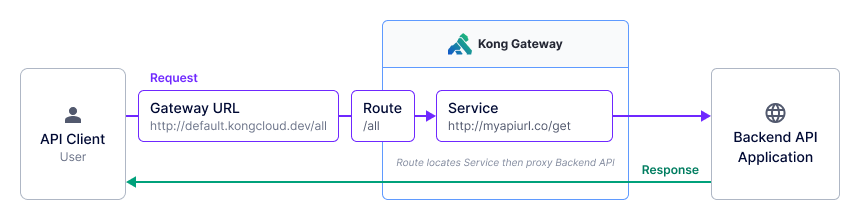
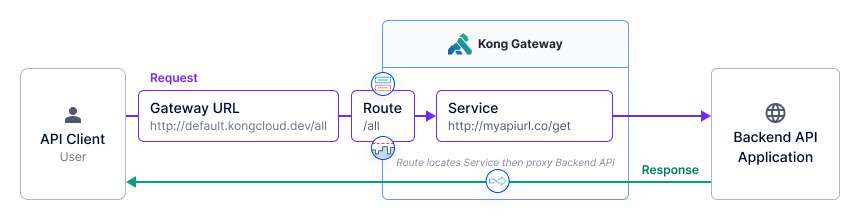
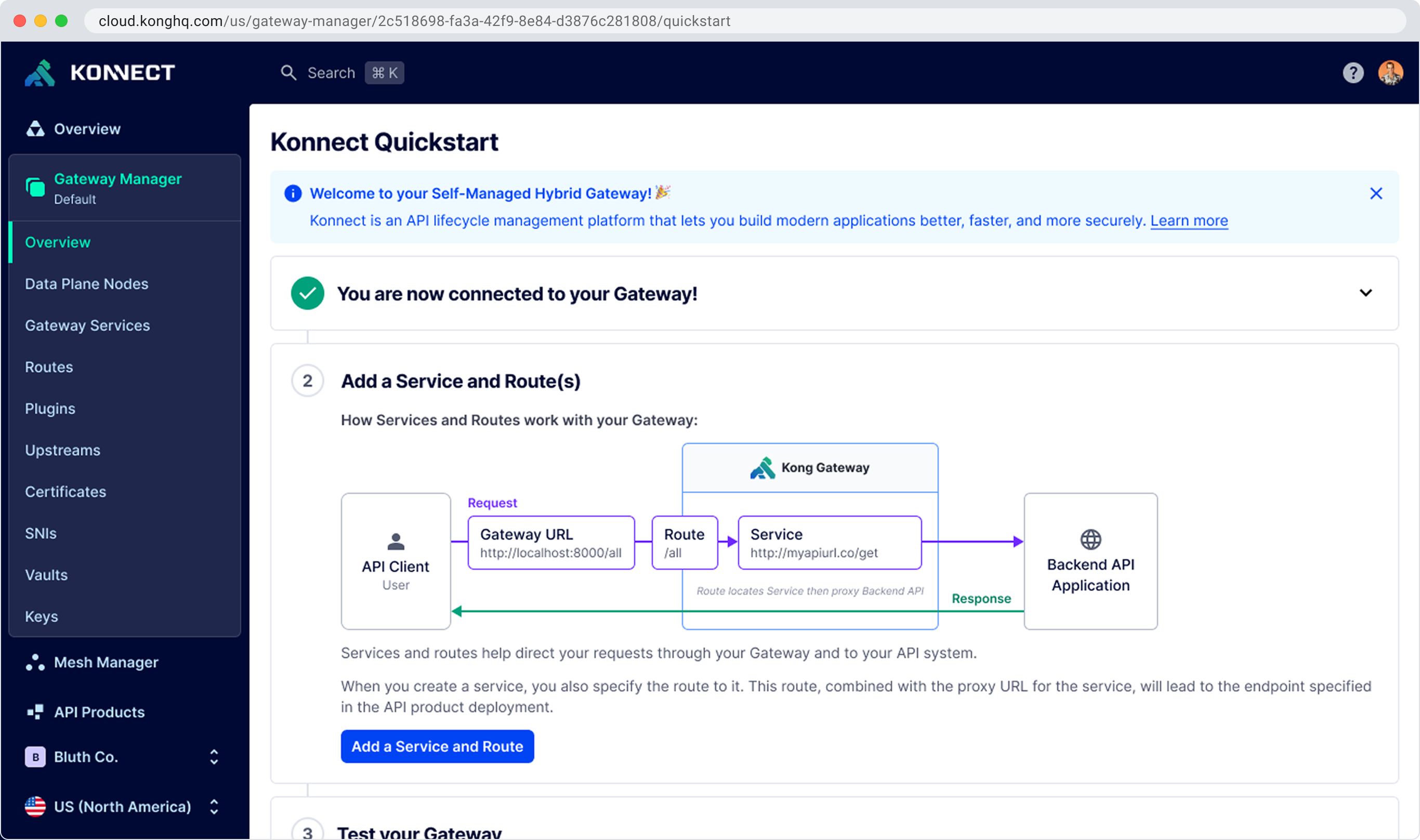
Before designing the onboarding flow, I needed to deeply understand how gateways actually work. I ran workshops with Engineering and Product leads to build a shared model of how traffic flows through services, routes, and plugins. The goal was to find the simplest accurate mental model we could give new users.
That work directly informed how we introduced the gateway concept in the onboarding UI. Instead of asking users to understand the architecture first, we let them experience the outcome and explained the model as they went.
The Solution
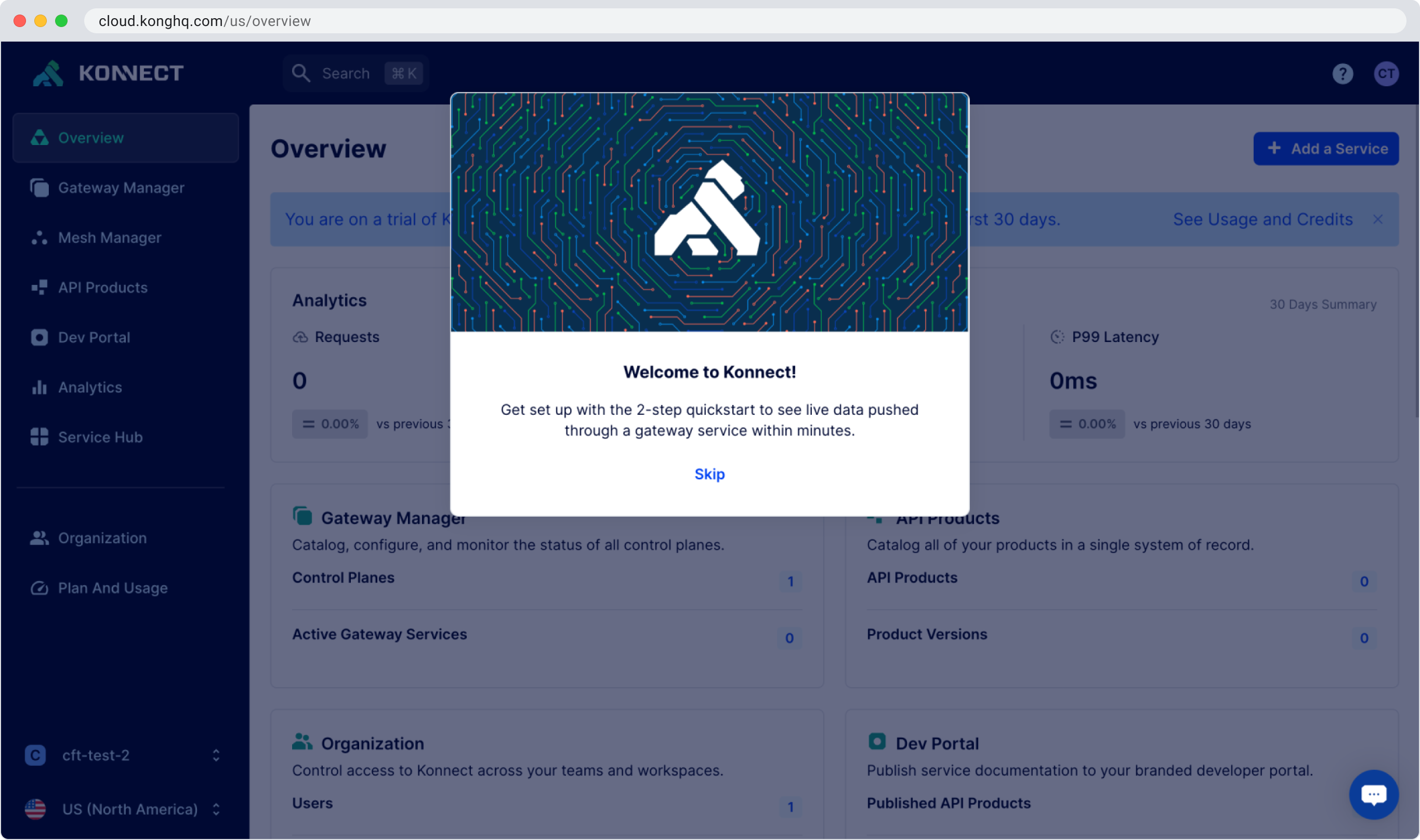
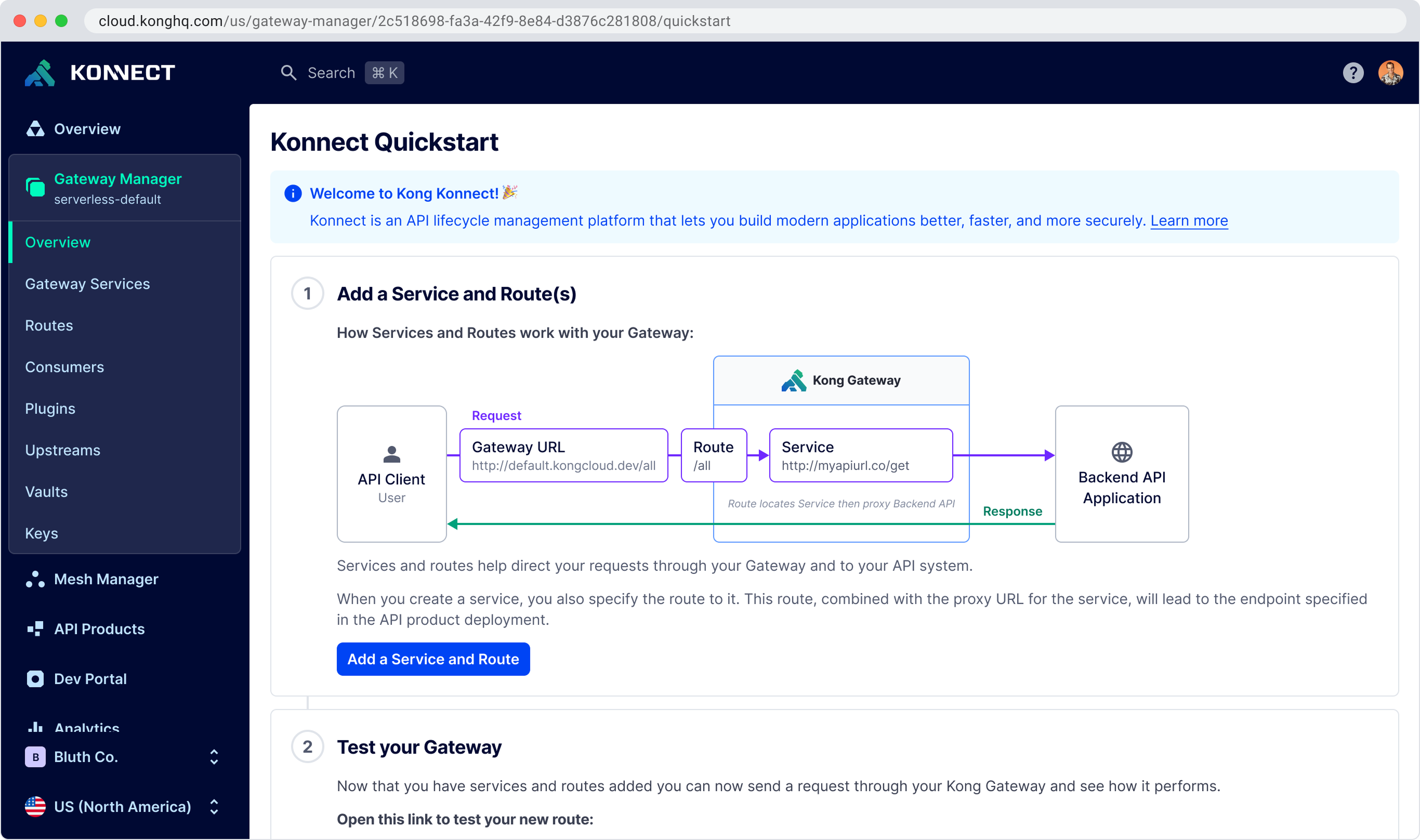
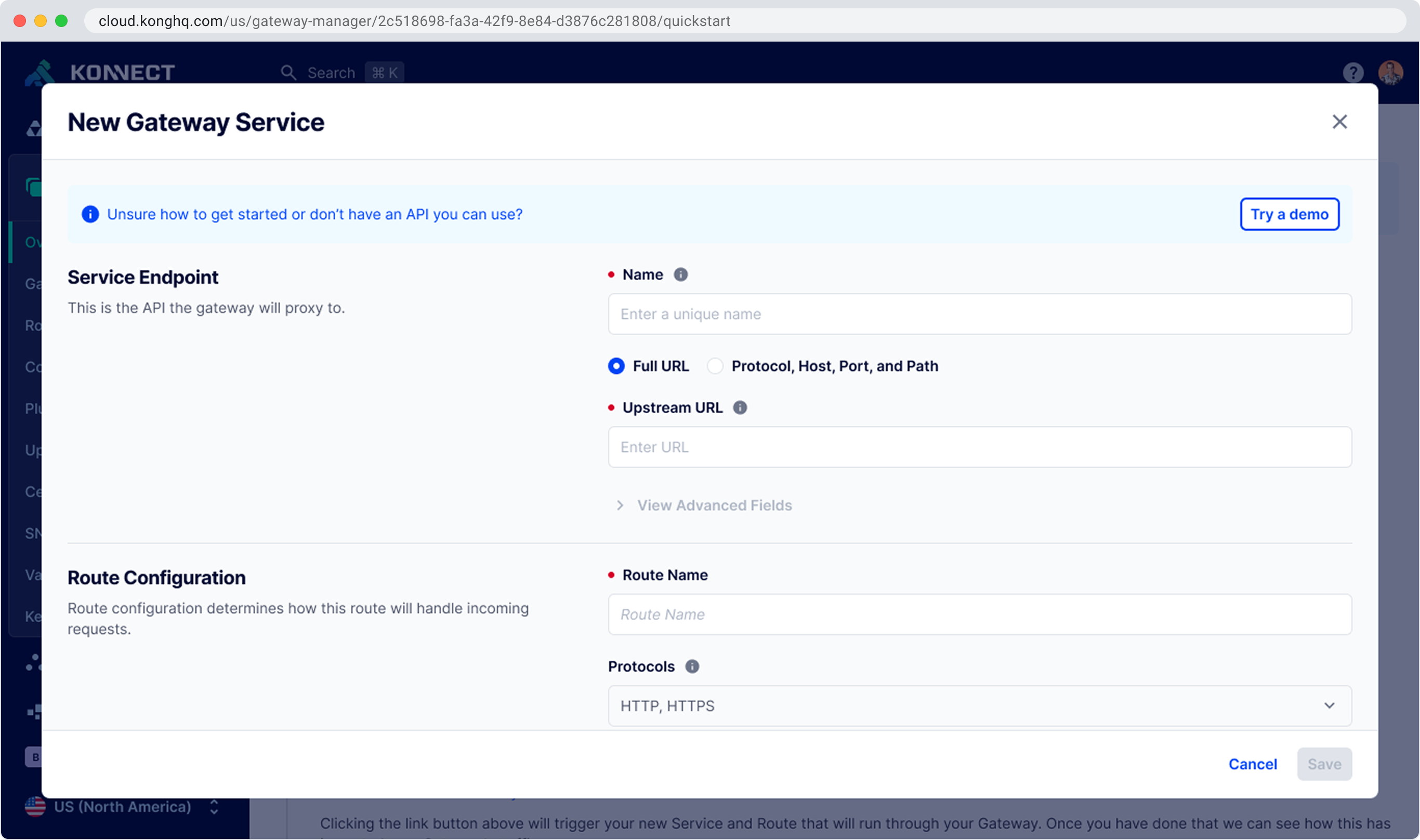
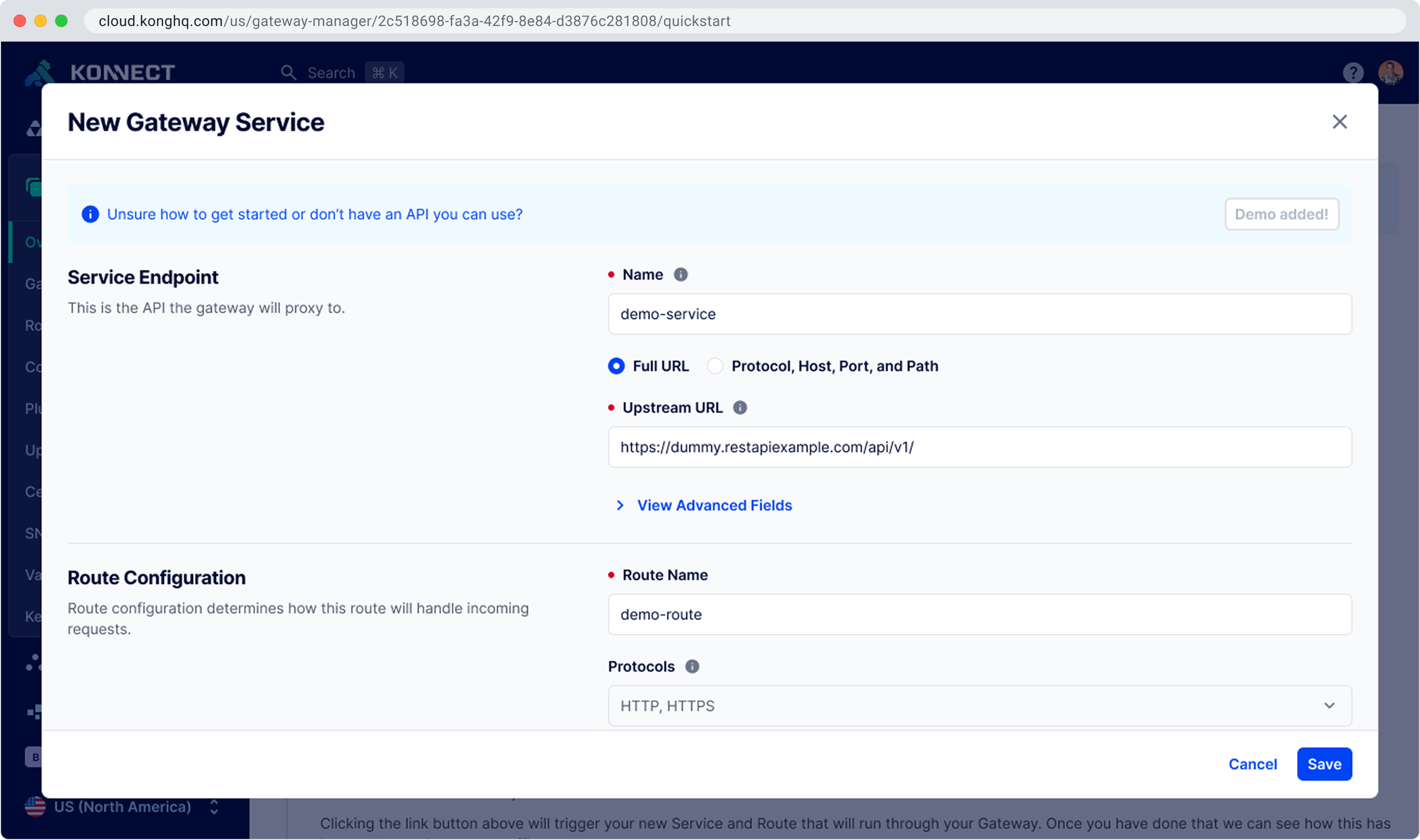
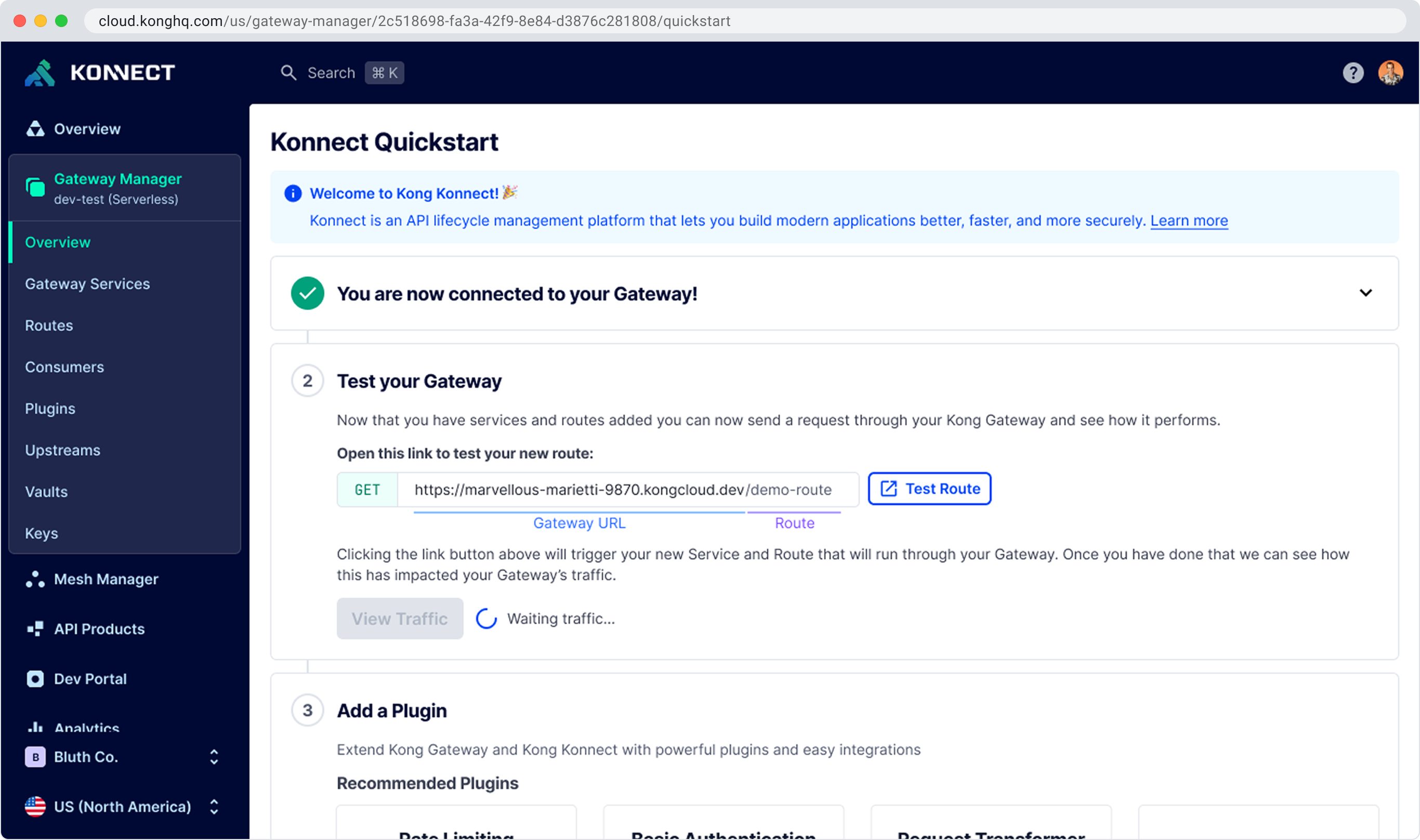
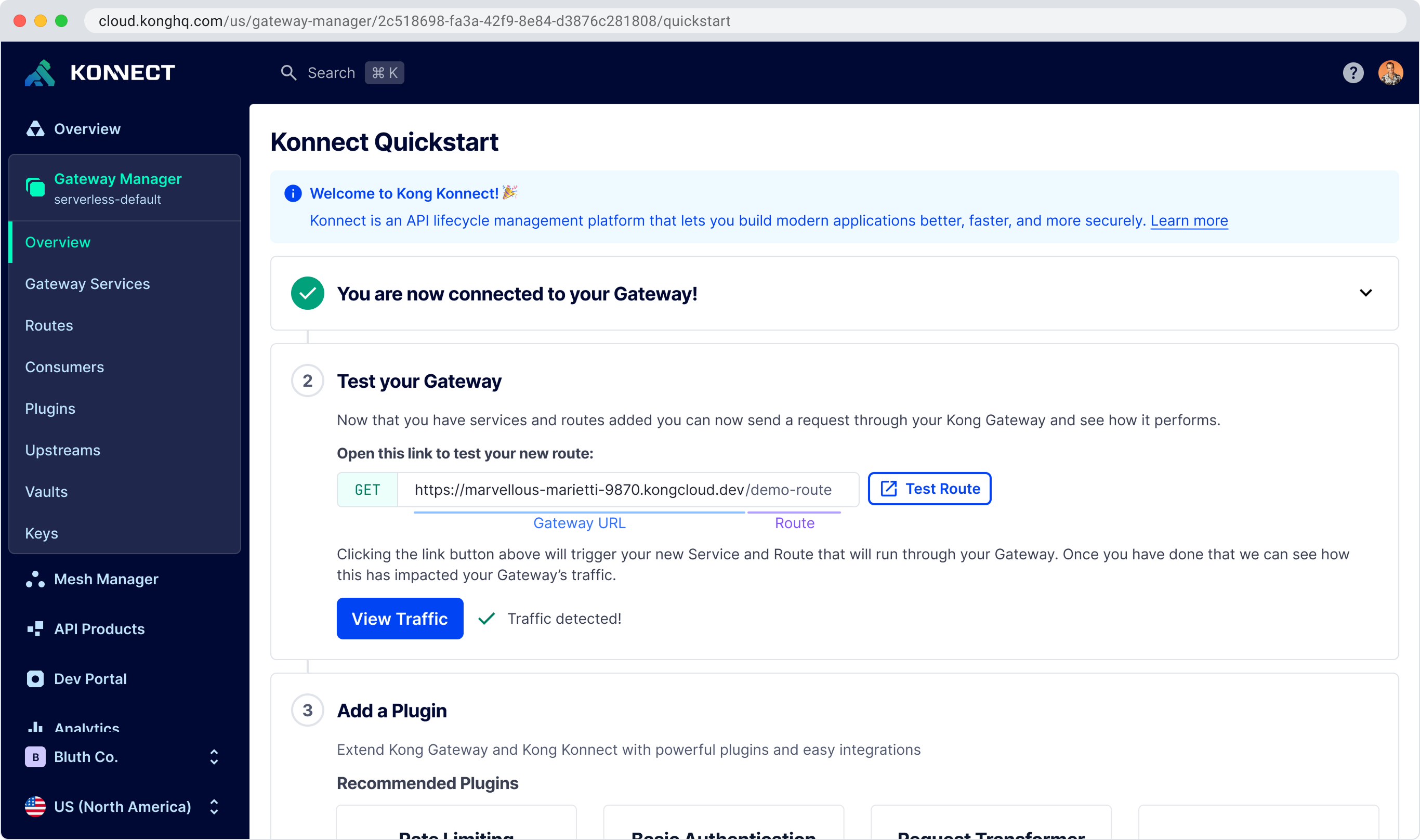
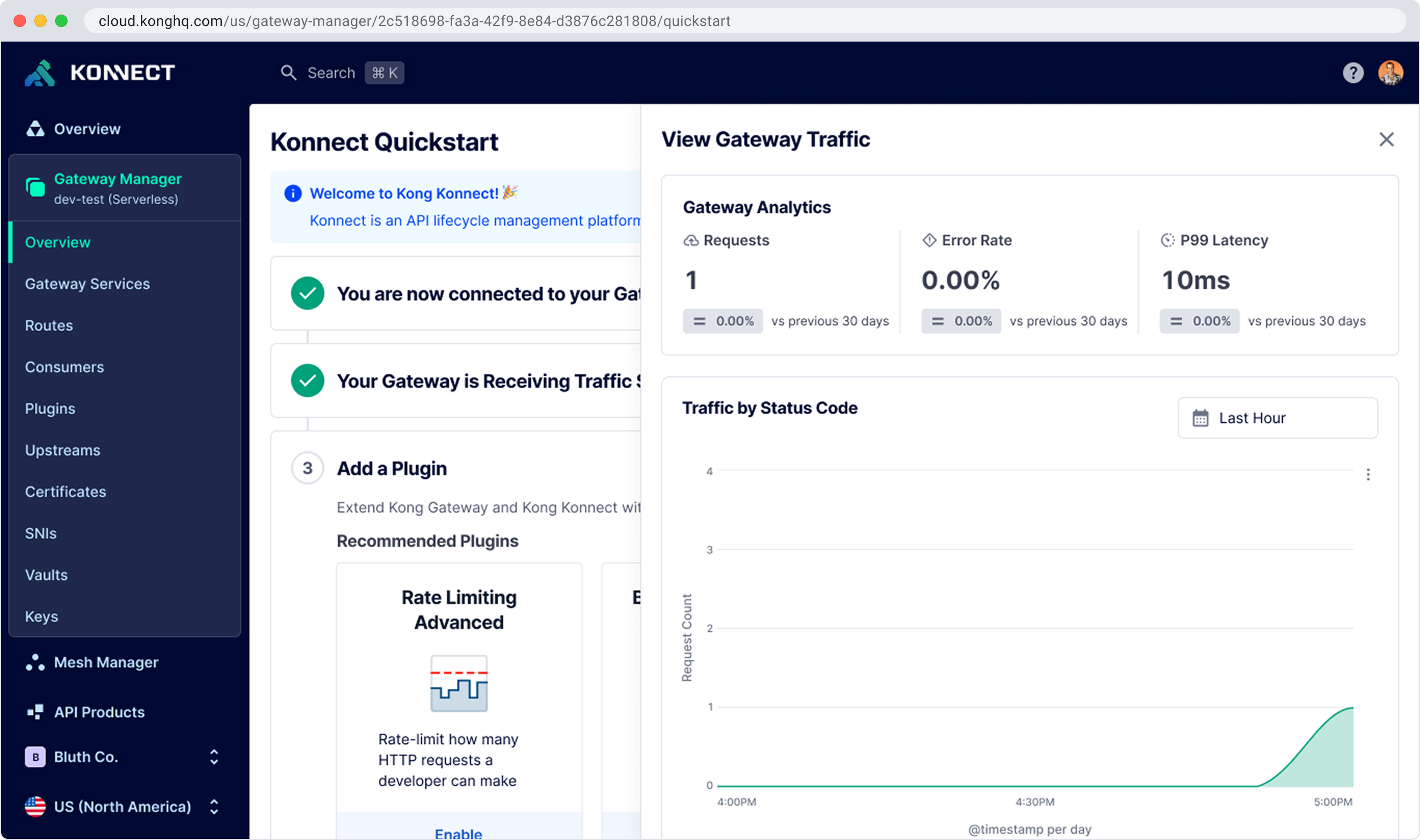
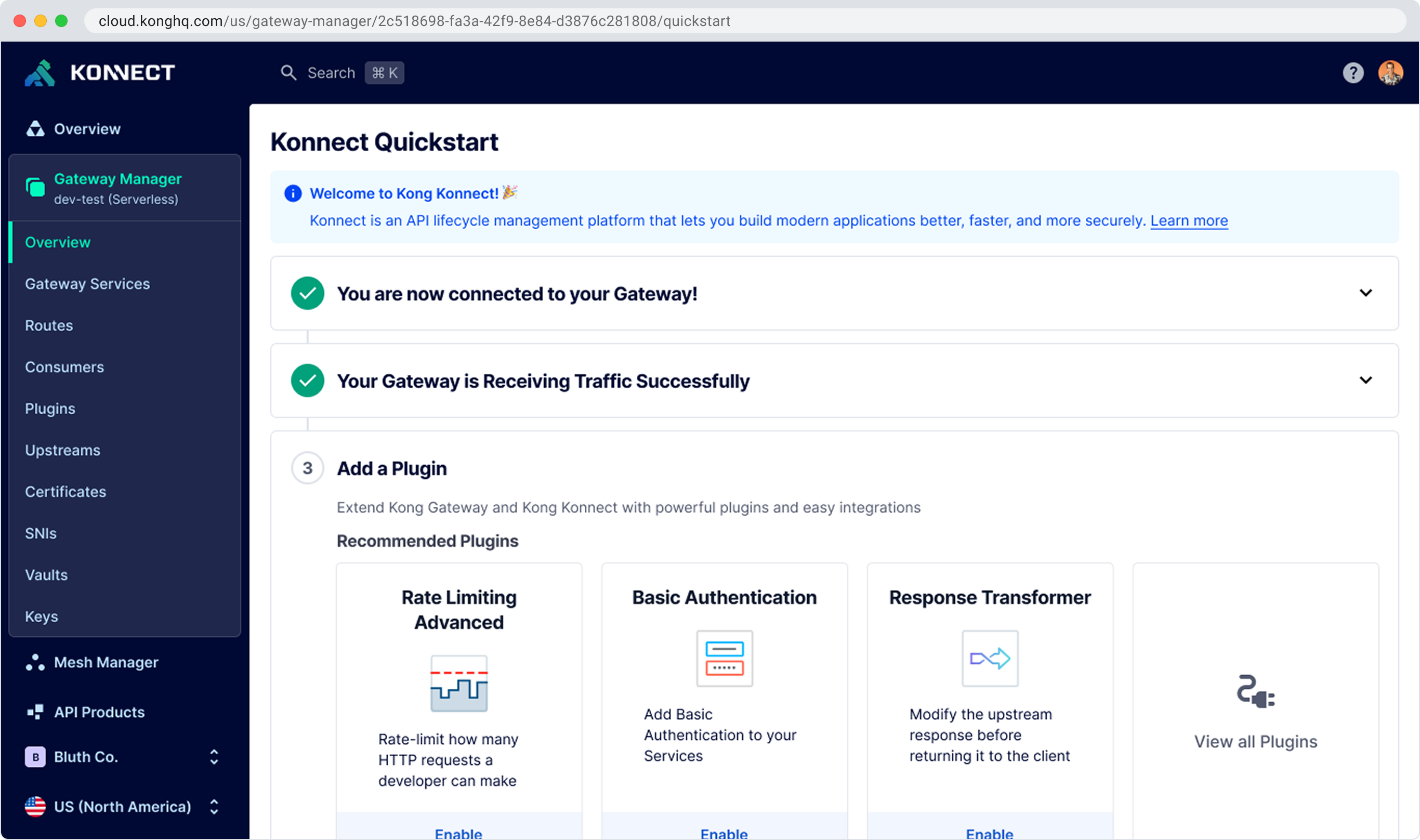
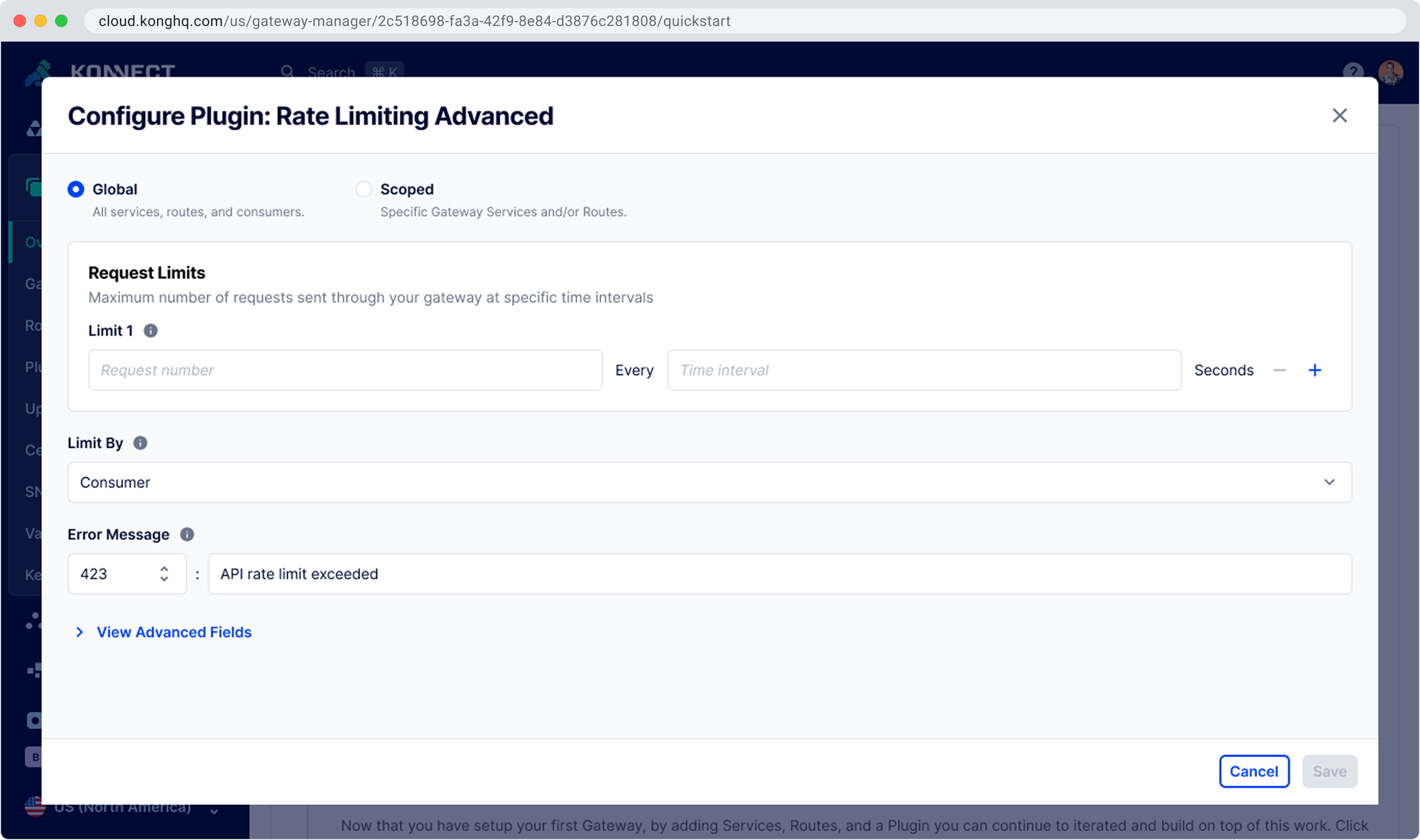
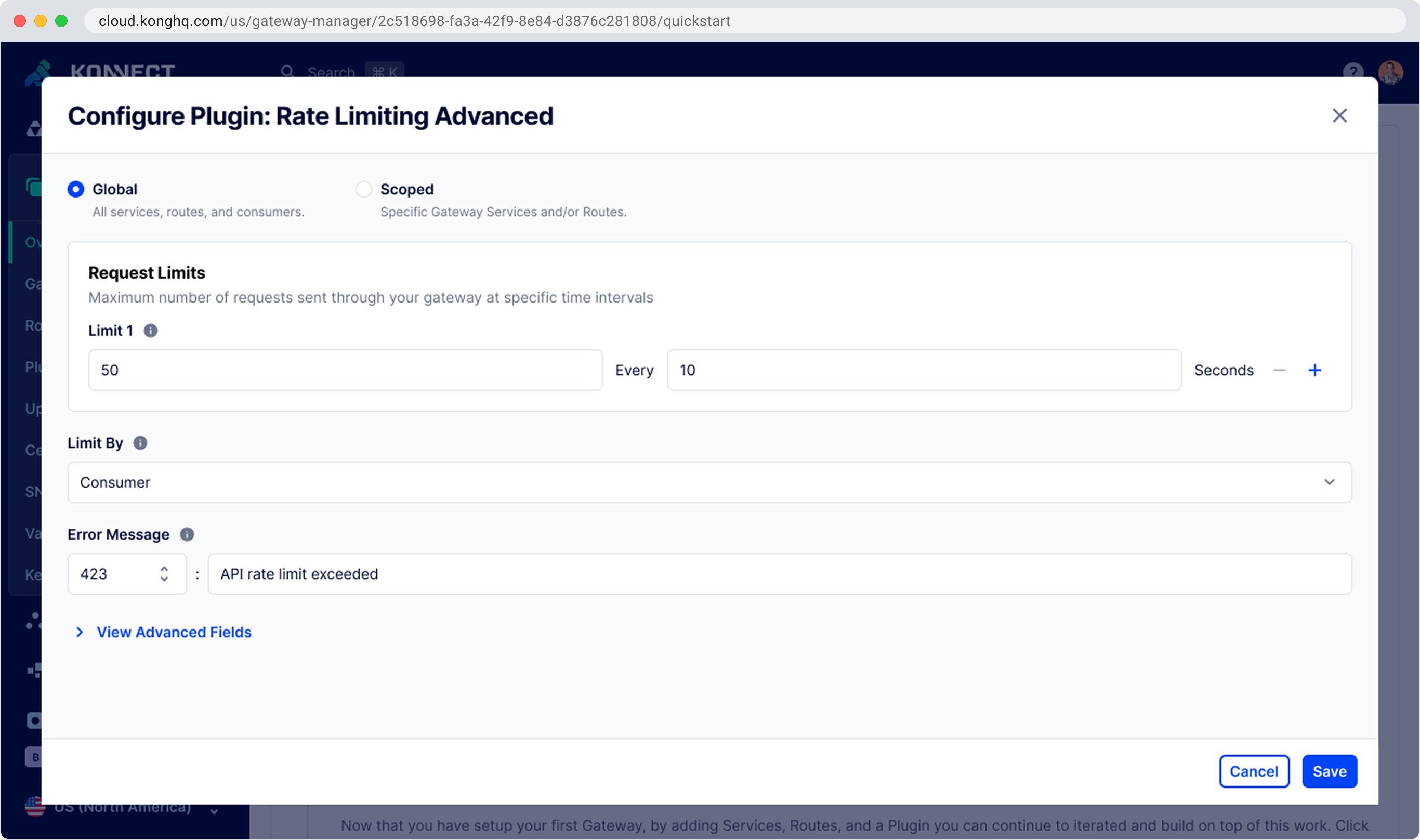
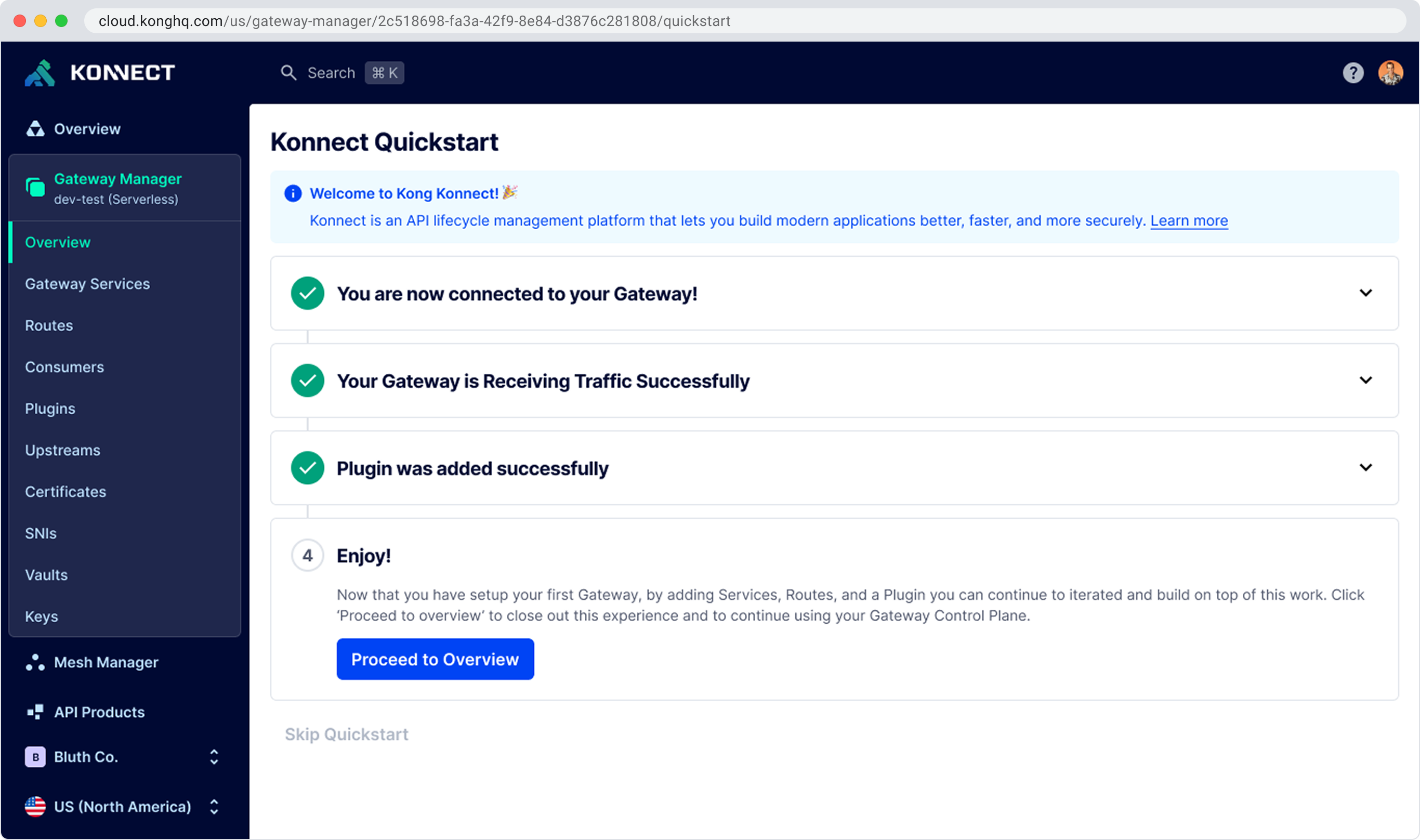
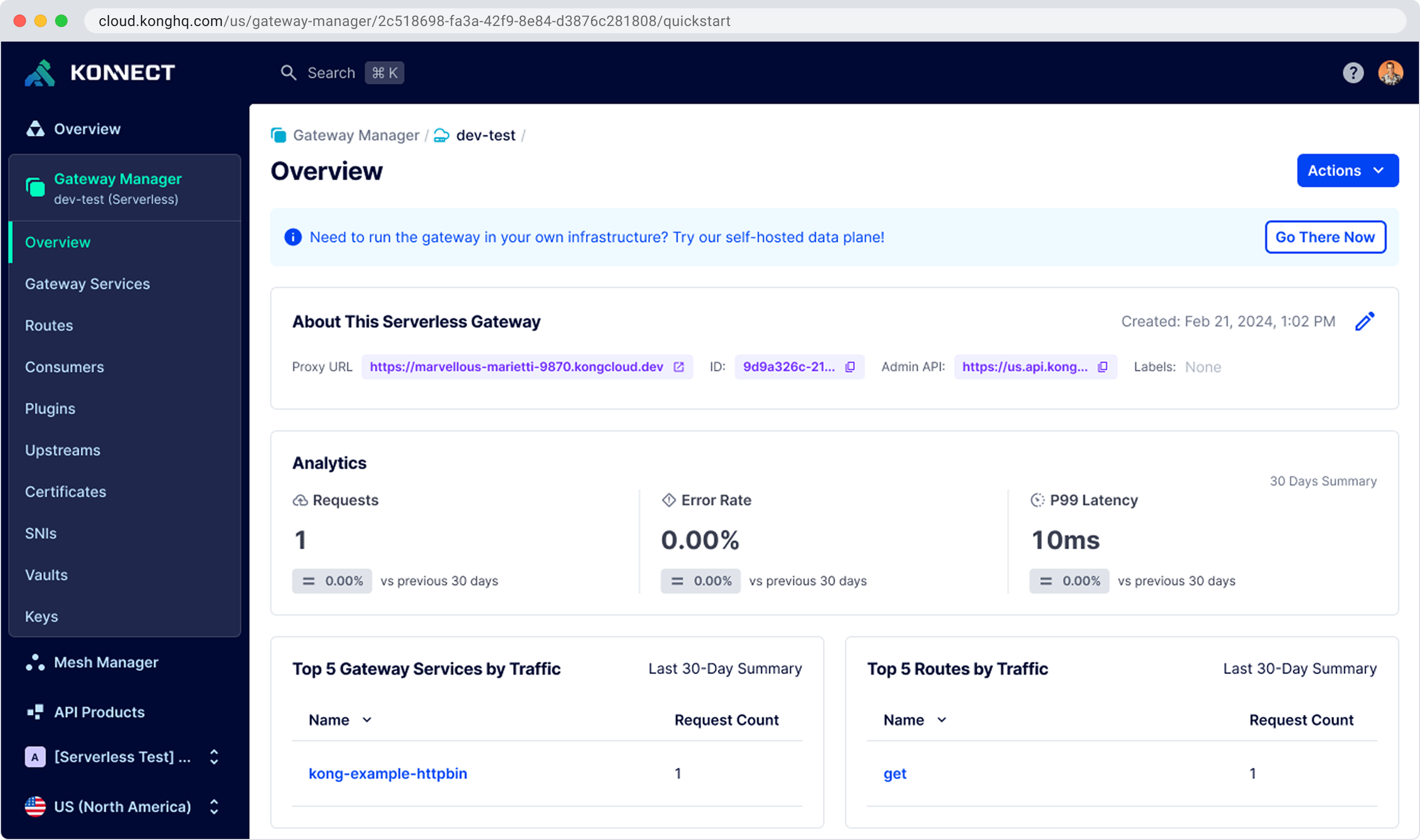
Serverless Gateway eliminated infrastructure as a prerequisite. When a new organization signed up, a gateway was provisioned automatically in under 30 seconds. No CLI. No dataplane. No documentation required before first use.
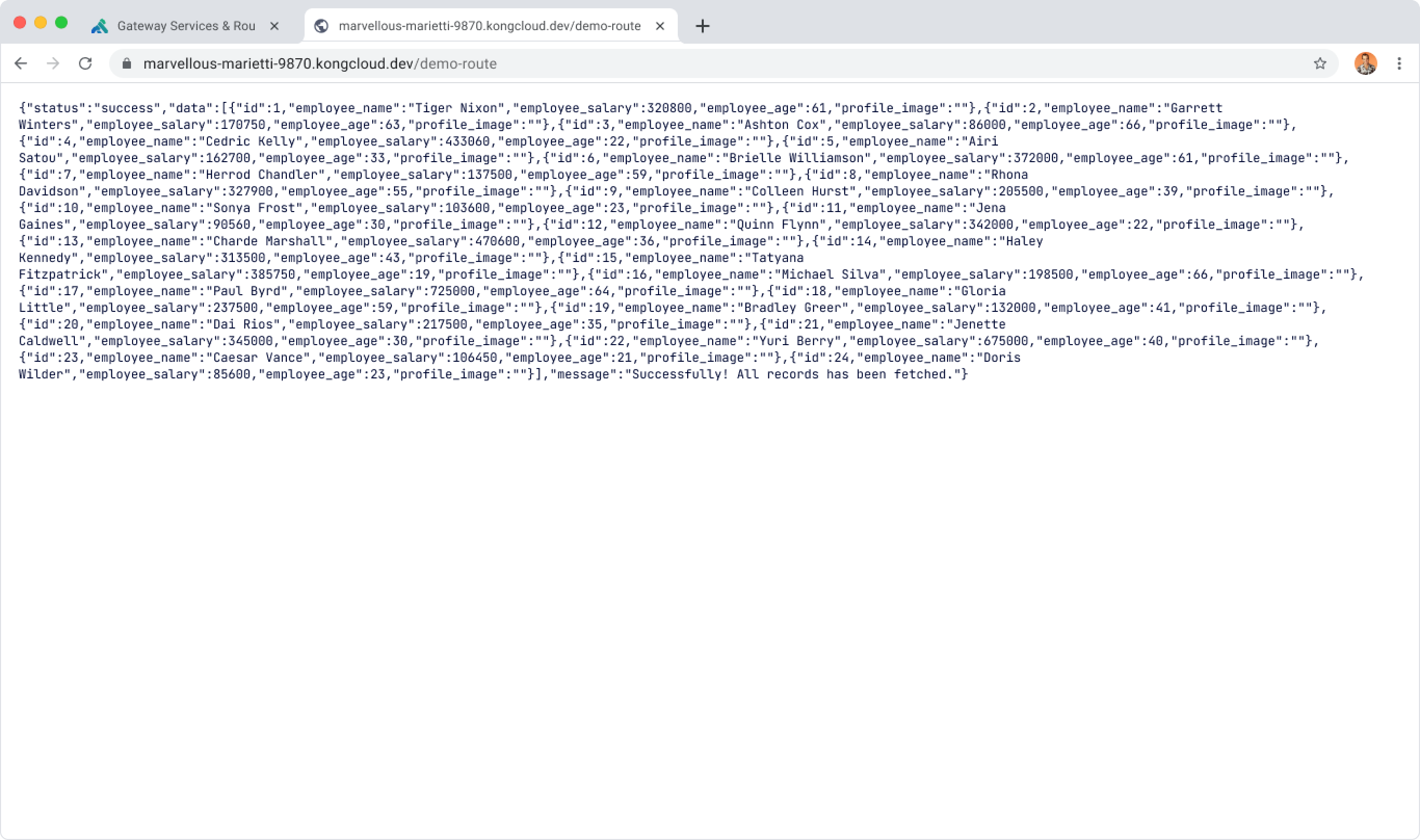
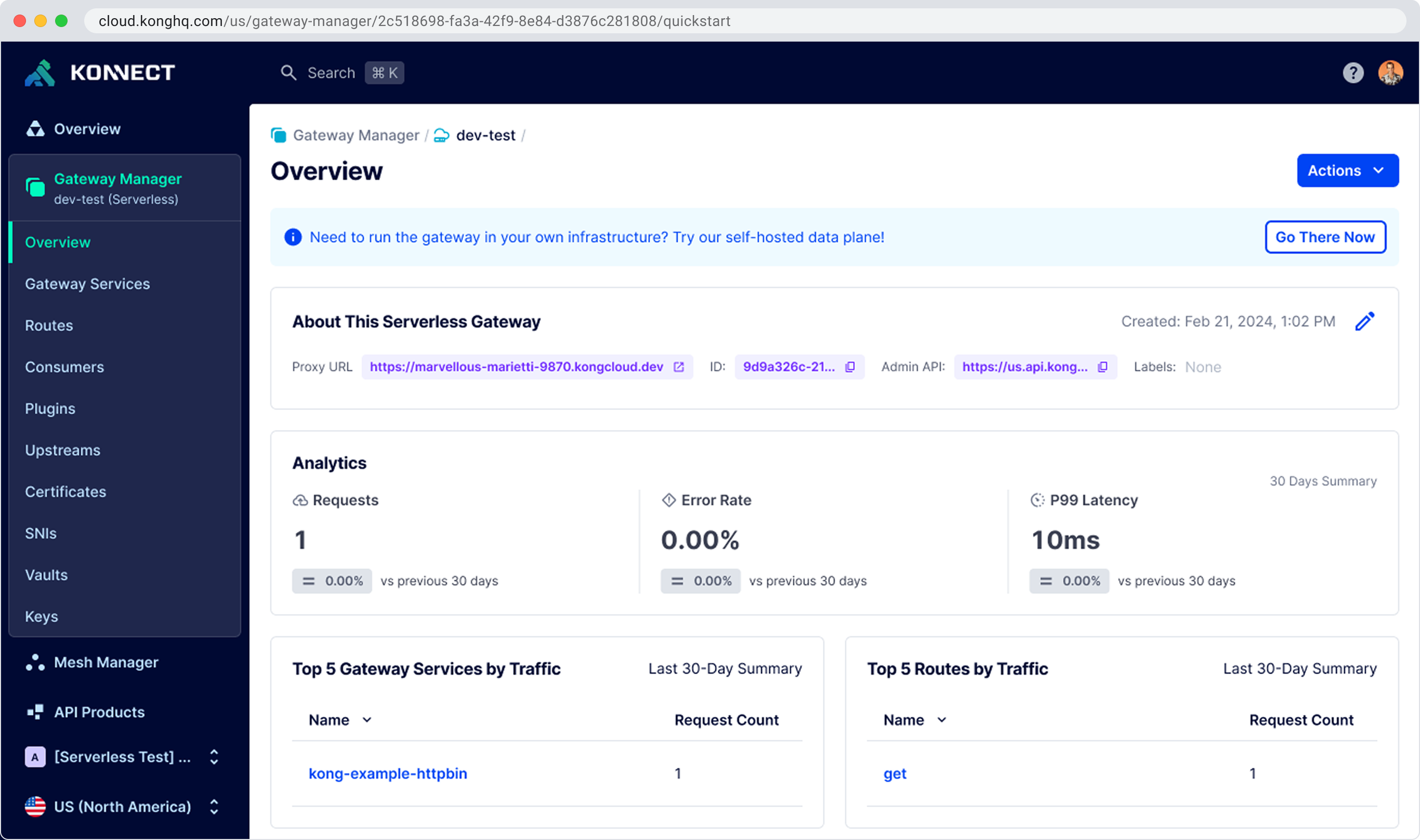
The new flow went from seven steps spread across three environments to four steps entirely inside Konnect. Users could go from signup to sending real API traffic in under five minutes.
Migration Path
Serverless Gateway was never meant to be the final destination. The design included a clear upgrade path for users who were ready to move to self-managed infrastructure at production scale.
Upgrade guidance surfaced at usage limits. Configuration handoff to hybrid gateways was guided step by step. Serverless became a launchpad, not a ceiling.
Outcomes
Serverless Gateway launched July 2024.
Once we had Serverless running, I finally saw the power of Kong without needing help. That's when we got serious.
Developer, post-evaluation survey
Learnings
Activation turned out to be a systems problem, not a UI problem. Fixing the entry point helped, but every step I touched surfaced dependencies on things upstream or downstream I hadn't yet designed. The whole journey from signup to first value had to be coherent before any single piece of it could land.
The insight that stuck with me: developers don't evaluate products by reading about them. They need to touch something real. Every minute of setup before that first moment of use is a risk to the relationship. Not a preference. A risk.
What surprised me most was how much of the friction was conceptual, not technical. Users weren't blocked because the UI was hard. They were blocked because they didn't understand what a gateway was or why they needed one. The architecture diagrams and progressive disclosure patterns weren't polish. They were load-bearing.
This project became a reference point internally for how Kong could approach PLG. Not a playbook I handed off. A pattern other teams could build on.