Notification Center 2.0
Redesigning how 25M+ users stay informed across a complex collaborative platform.
Design Manager, Growth · Nov 2023
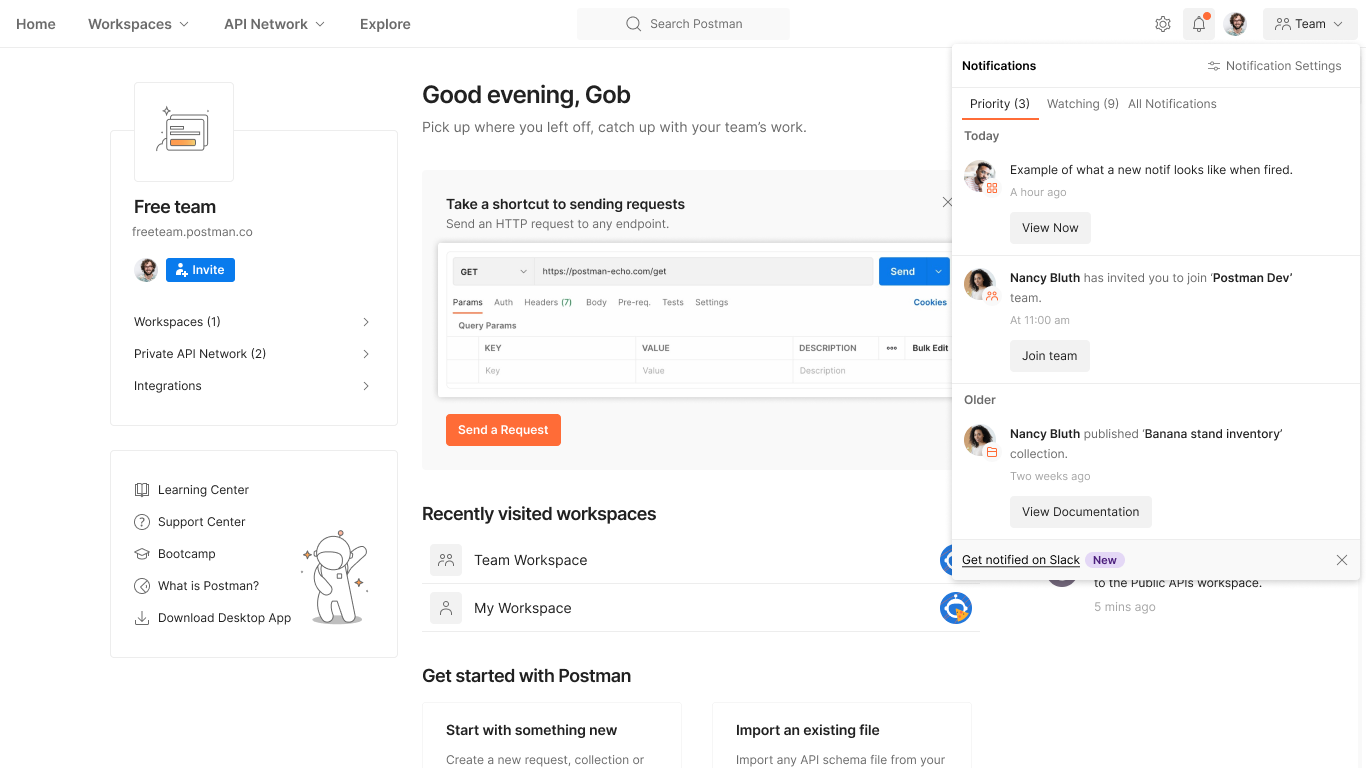
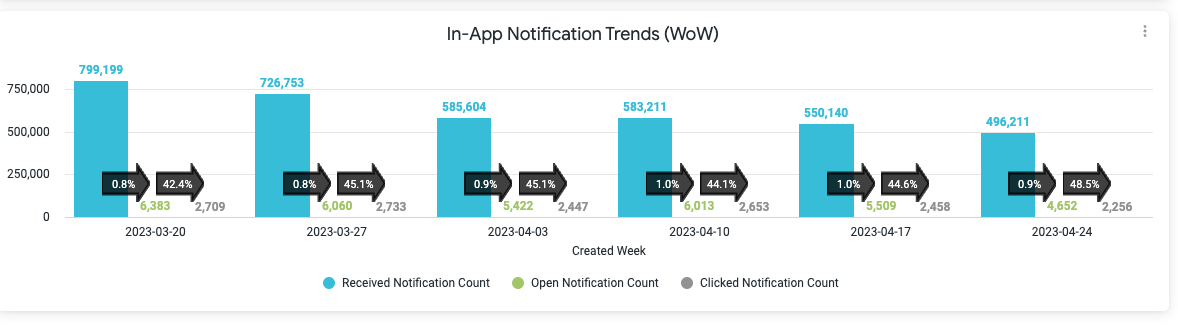
Staying up to date on everything happening across your team should be intuitive. At Postman, it wasn't. The in-app notification center was a flat, unprioritized list that most users never opened. Users who did engage with notifications were 30% more likely to convert and retain, but only 0.8% of users were engaging week over week.
As Lead Growth Product Designer I redesigned the notification center from the ground up, building a prioritized, categorized system with a new alert pattern and stronger notification templates. Shipped as an A/B test in February 2023, rolled out to 100% of users in May 2023.
The Problem
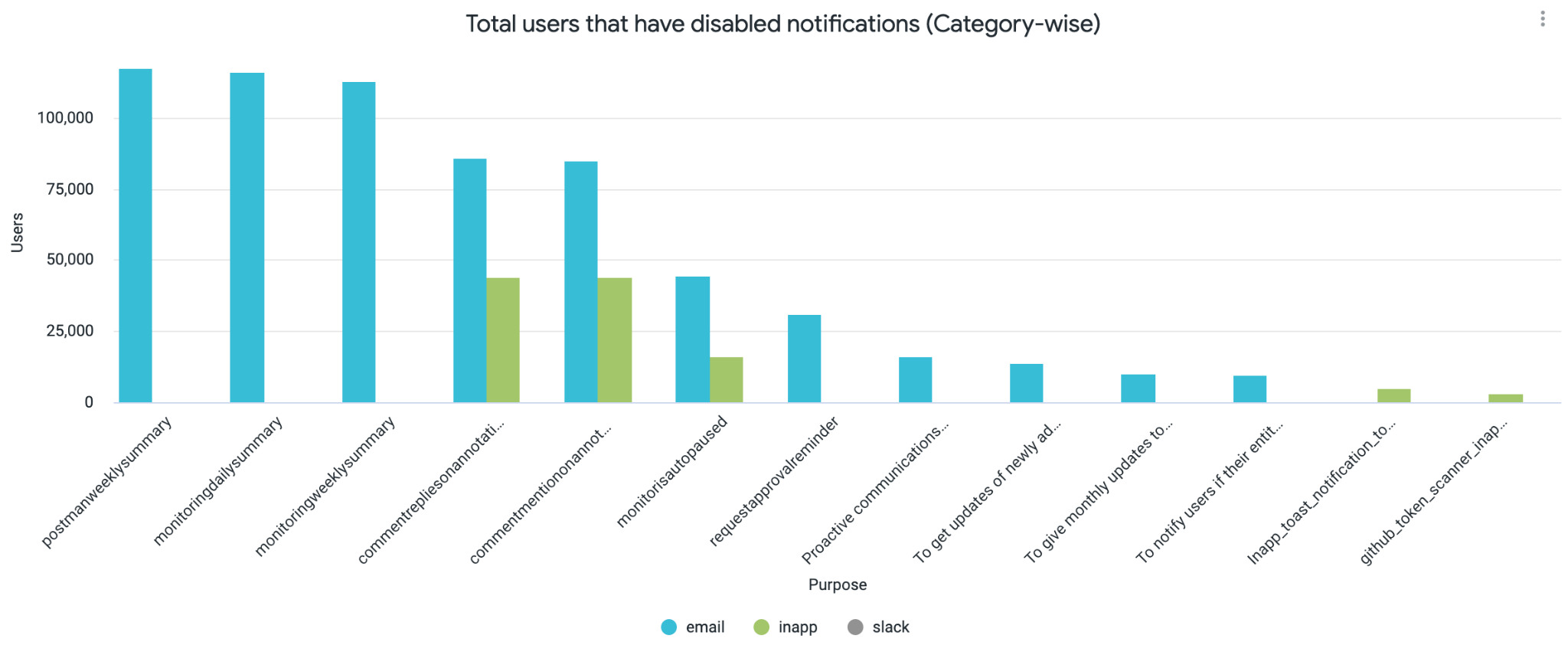
The value of a Postman team is centralized collaboration within the platform. But users were engaging with email notifications over in-app ones, and even email engagement was low. Digging into the data revealed a system that was actively working against itself.
Quantitative findings
Qualitative findings
A heuristic evaluation and user surveying confirmed what the data suggested:
Market Analysis
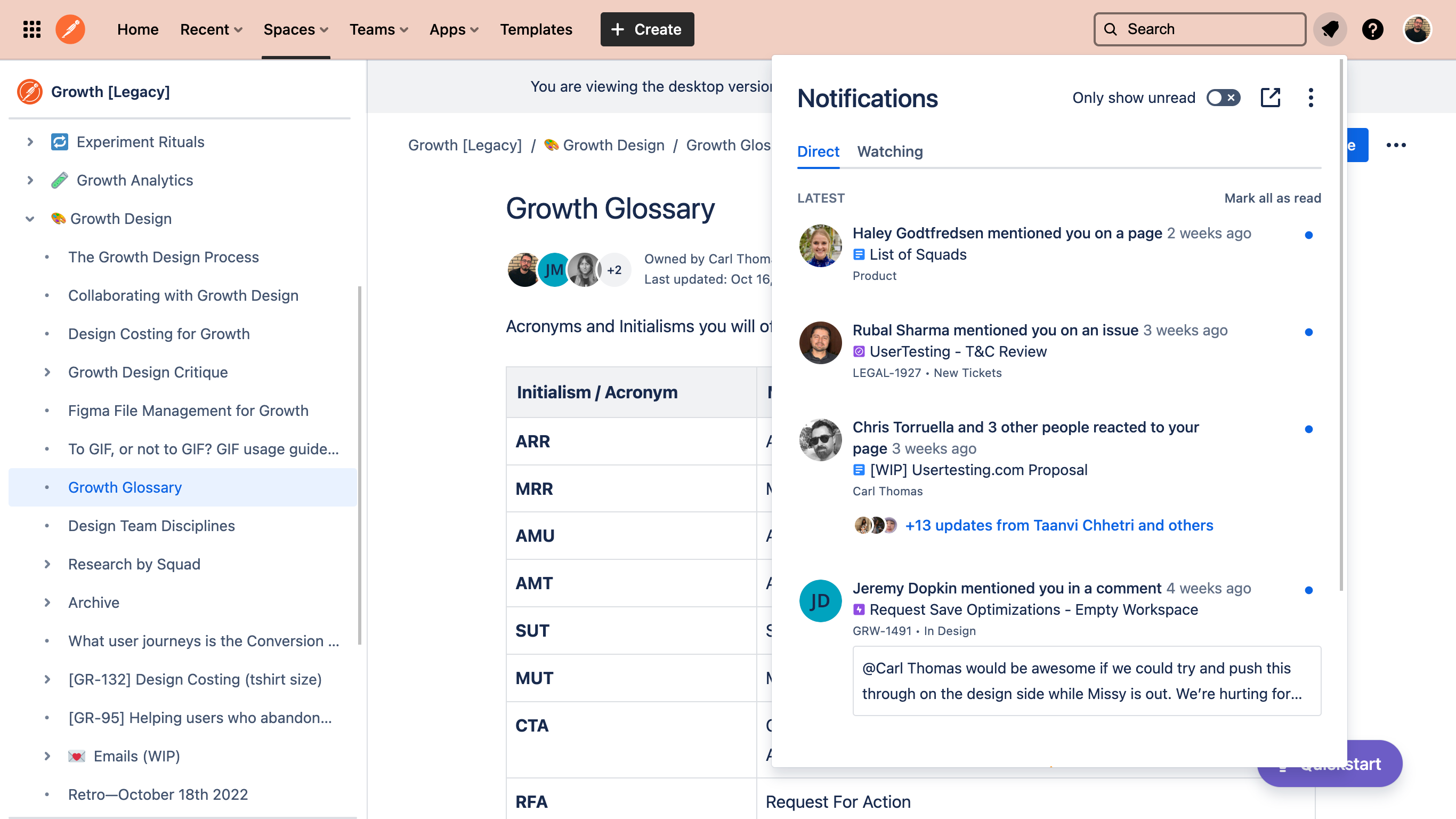
I investigated 10+ products to understand how other systems handled notifications and user alerts. Key findings that shaped the direction:
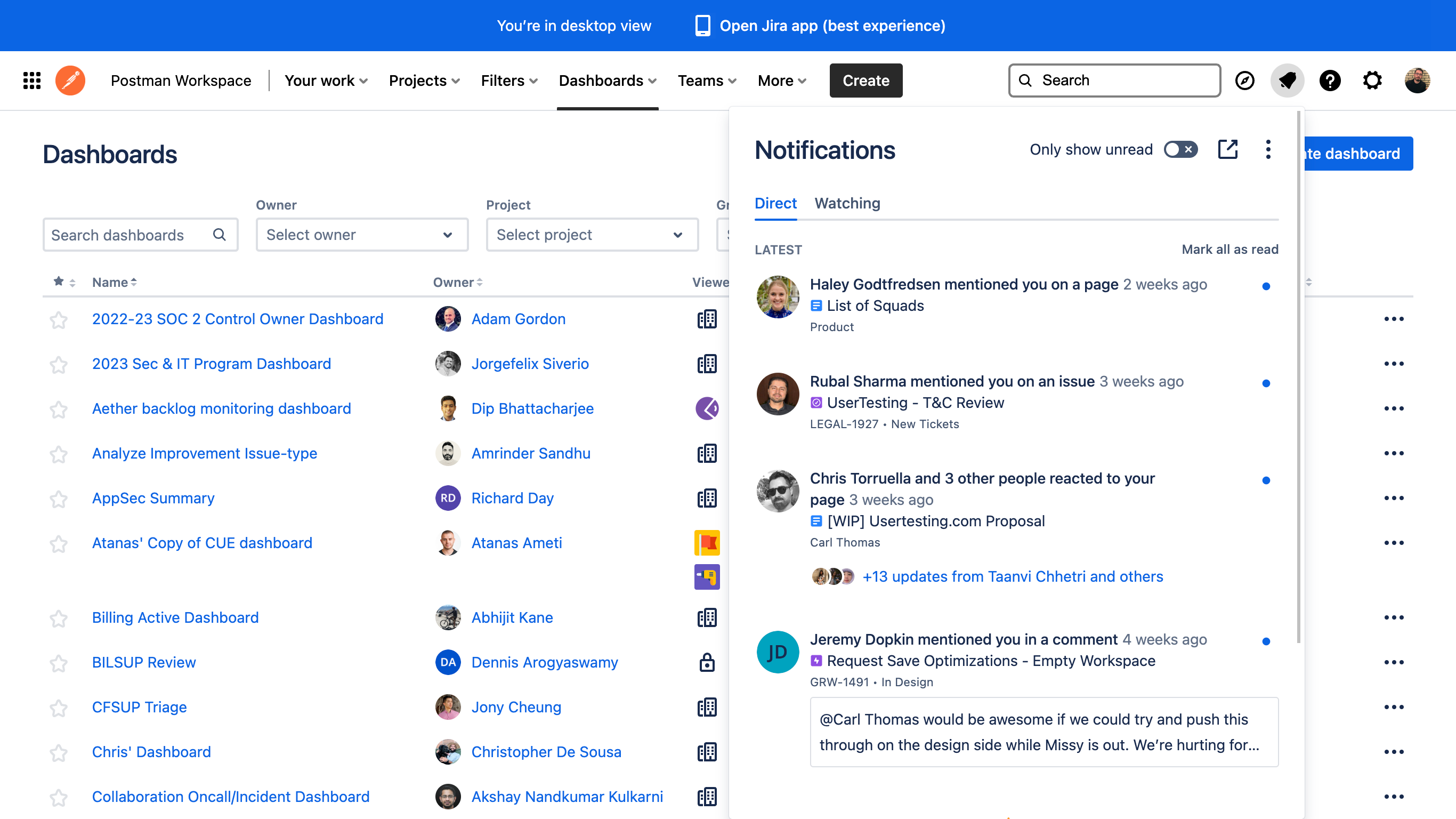
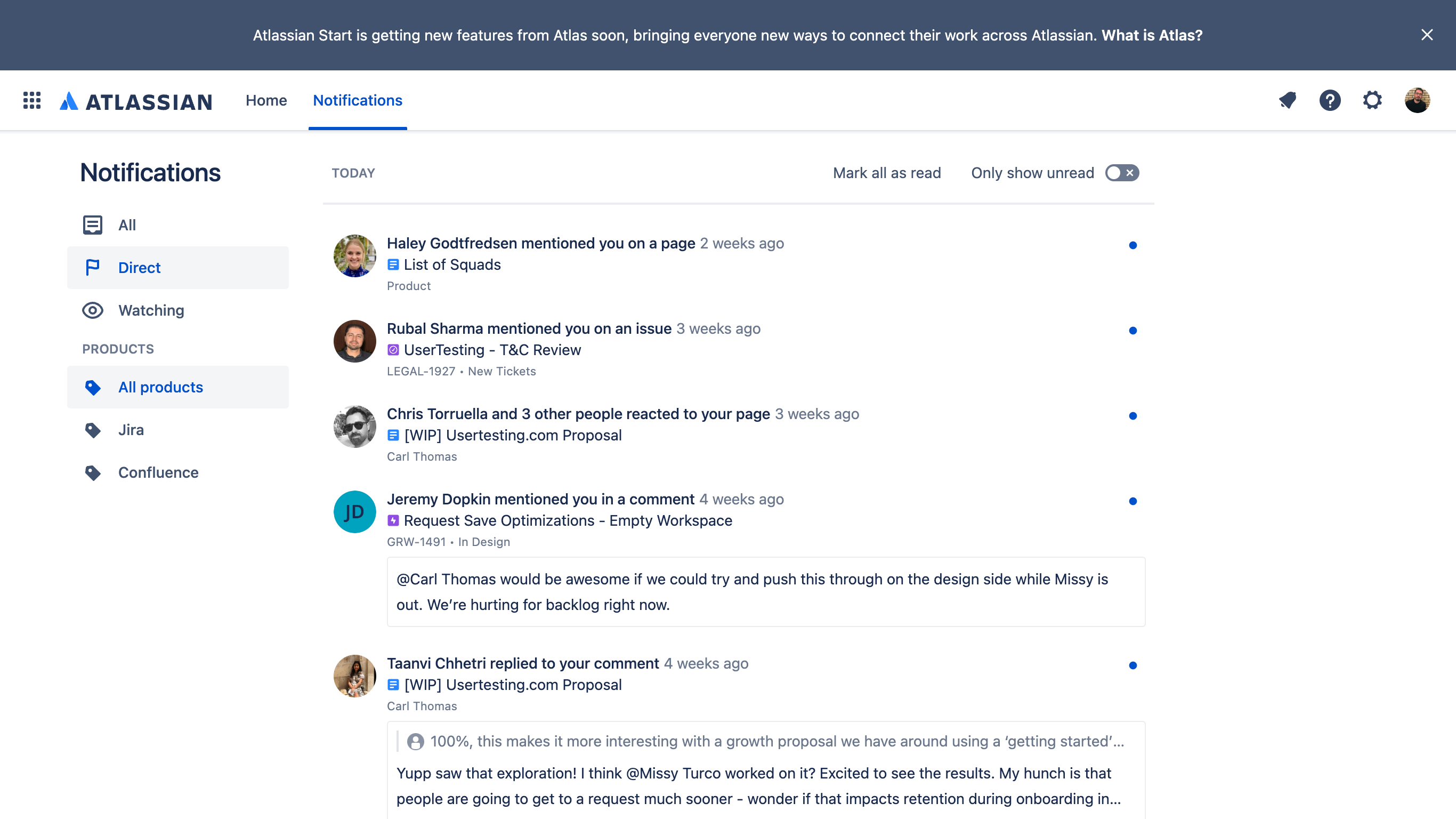
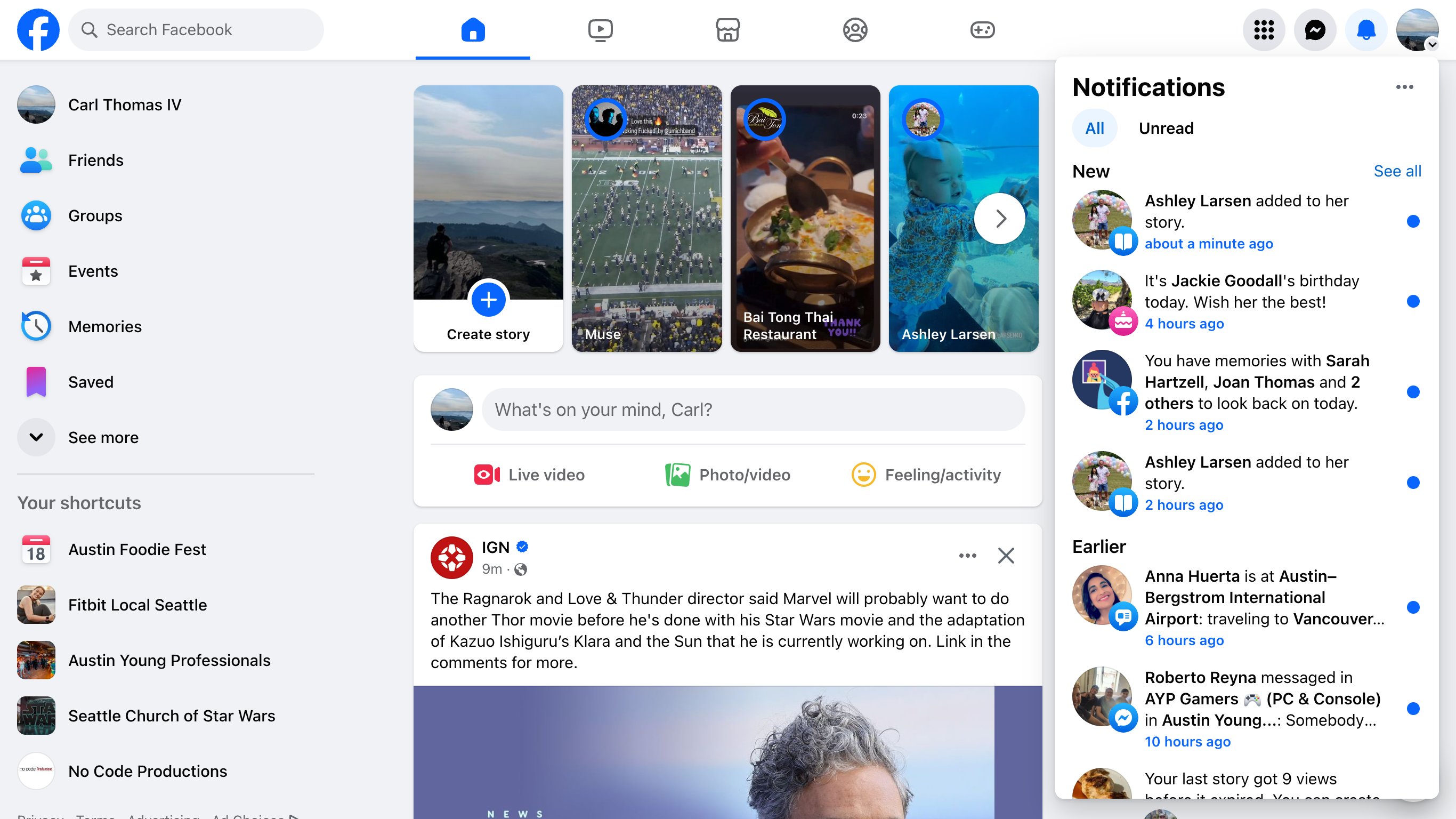
Hypothesis
Improving visibility and organization of the notification center will ensure users find value and actionability within it. This will lead to higher retention by providing stronger direction and prioritization of efforts for users.
Goals
With 2.2M+ weekly active users across paid and free plans, about 14% were active in team workspaces. A 4% increase would add approximately 13,000 active team users per week, or 670,000 per year.
User Goals
Business Goals
Before
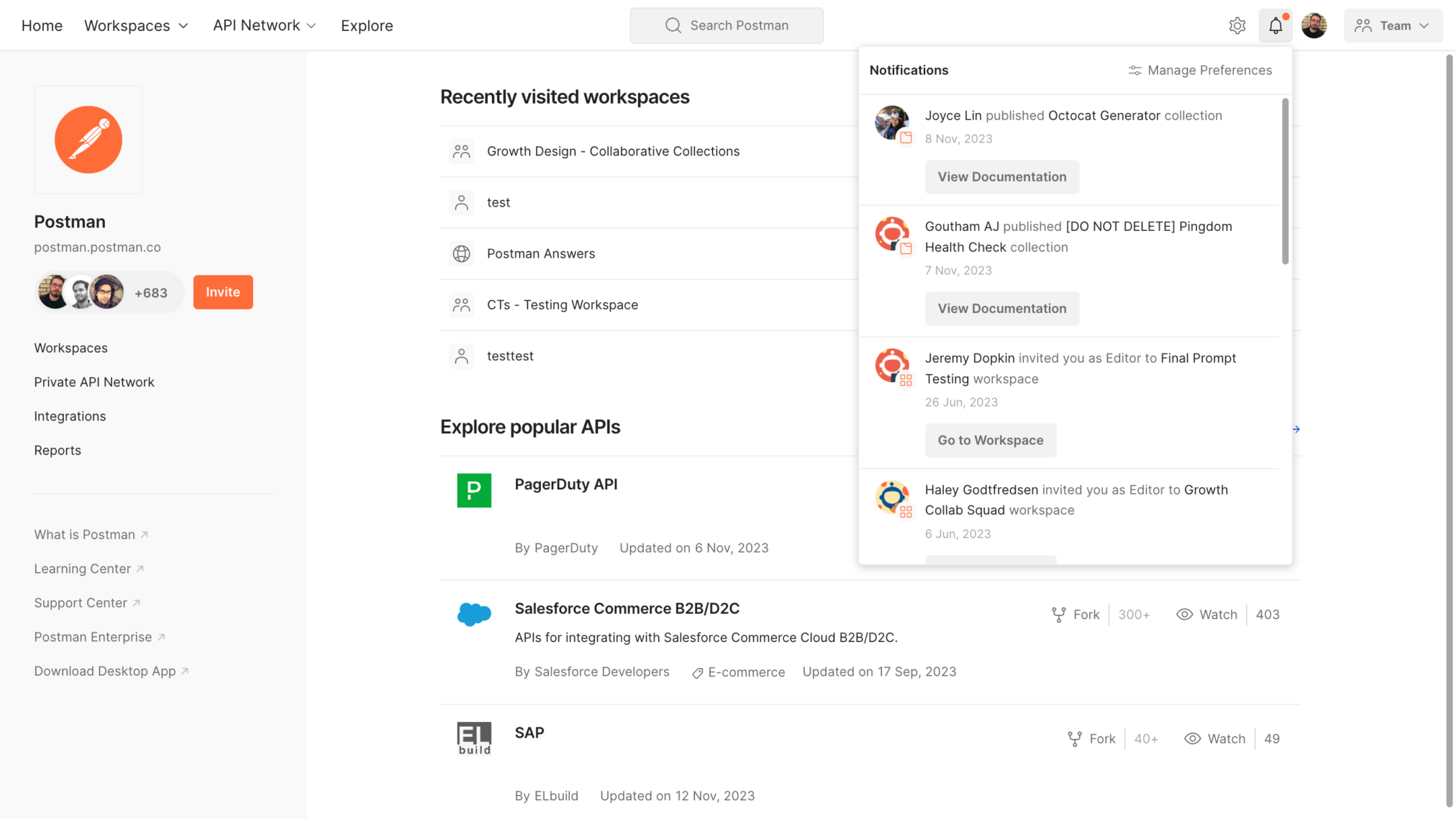
The notification center before the redesign: flat, unsorted, and hard to act on.
The notification center at Postman was a minimal, underdeveloped surface that gave users very little to work with:
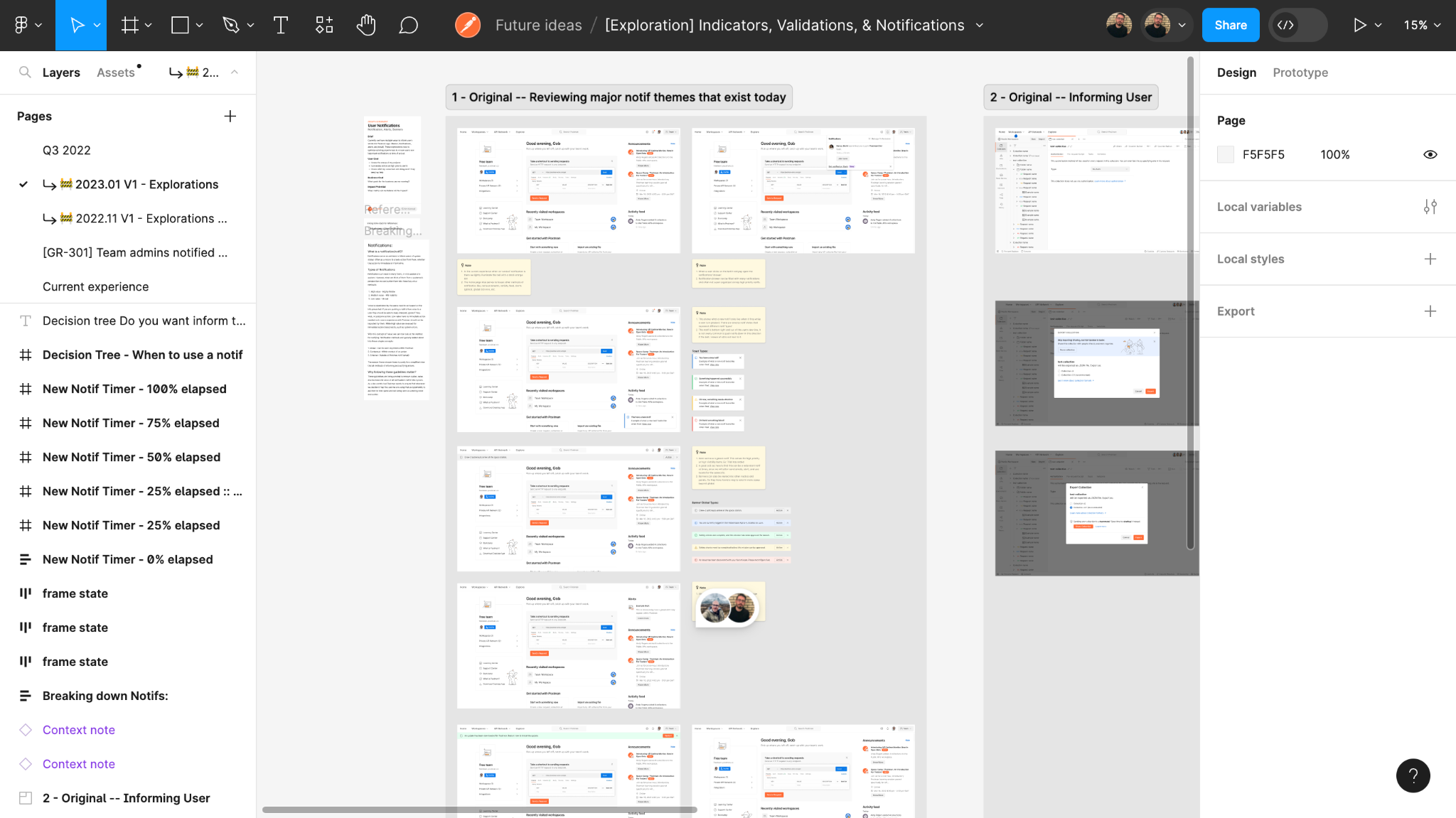
Defining a Notification
To ensure the new notification center extended beyond this initiative and held up across the product, I spent time defining what notifications are and how they should behave.
Notifications serve as methods to inform users of system status. Often as a means to create action from them, whether that action is immediate or informative.
Priority types
Delivery methods
Low-Mid Fidelity
I explored approximately 5 design directions, each focused on better aligning in-app notifications to user expectations and ensuring high priority alerts were actionable. As the variants evolved you can see more refined approaches as I aimed to match the old world with the new. The work had a deep focus on:
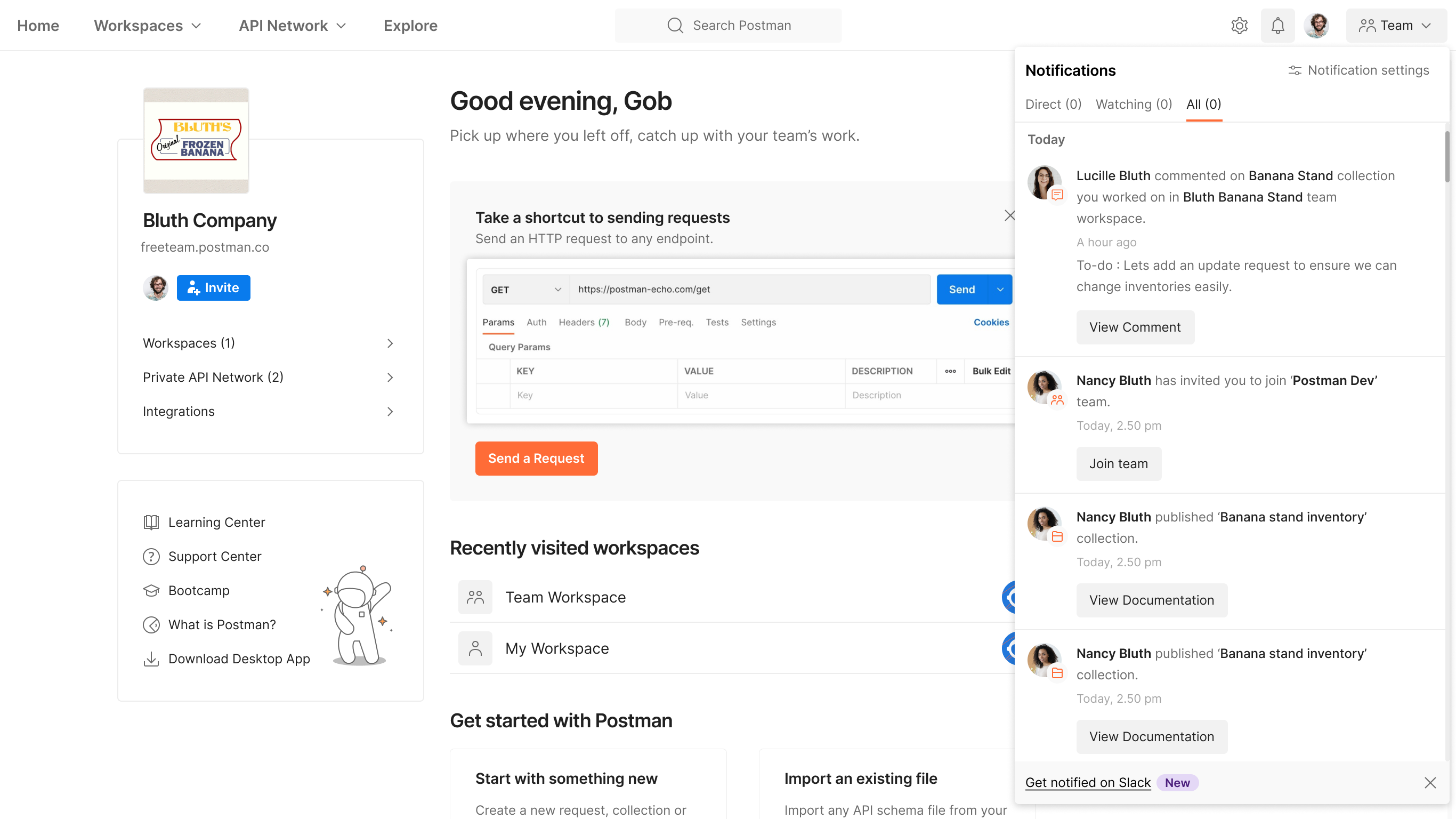
High Fidelity
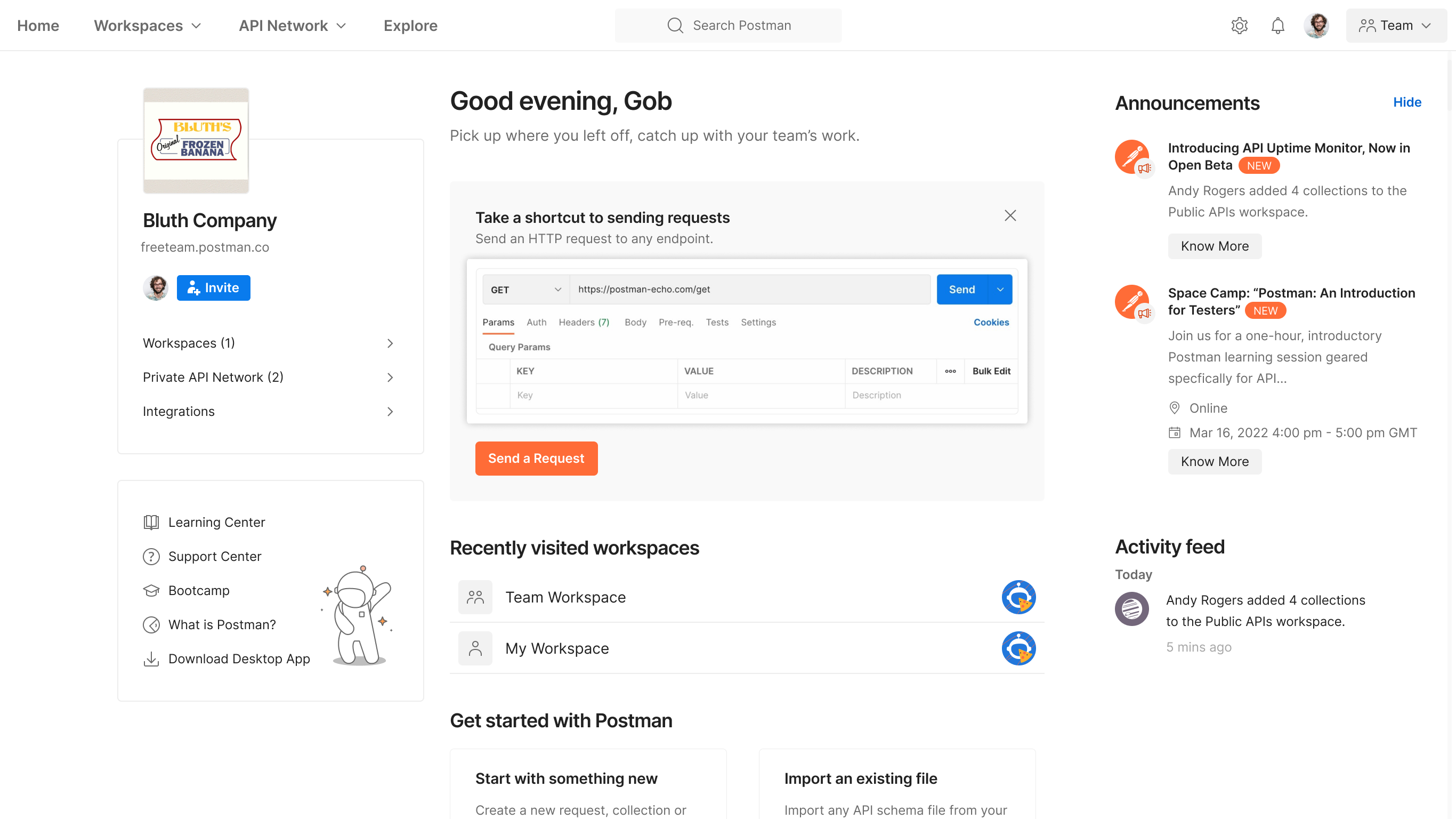
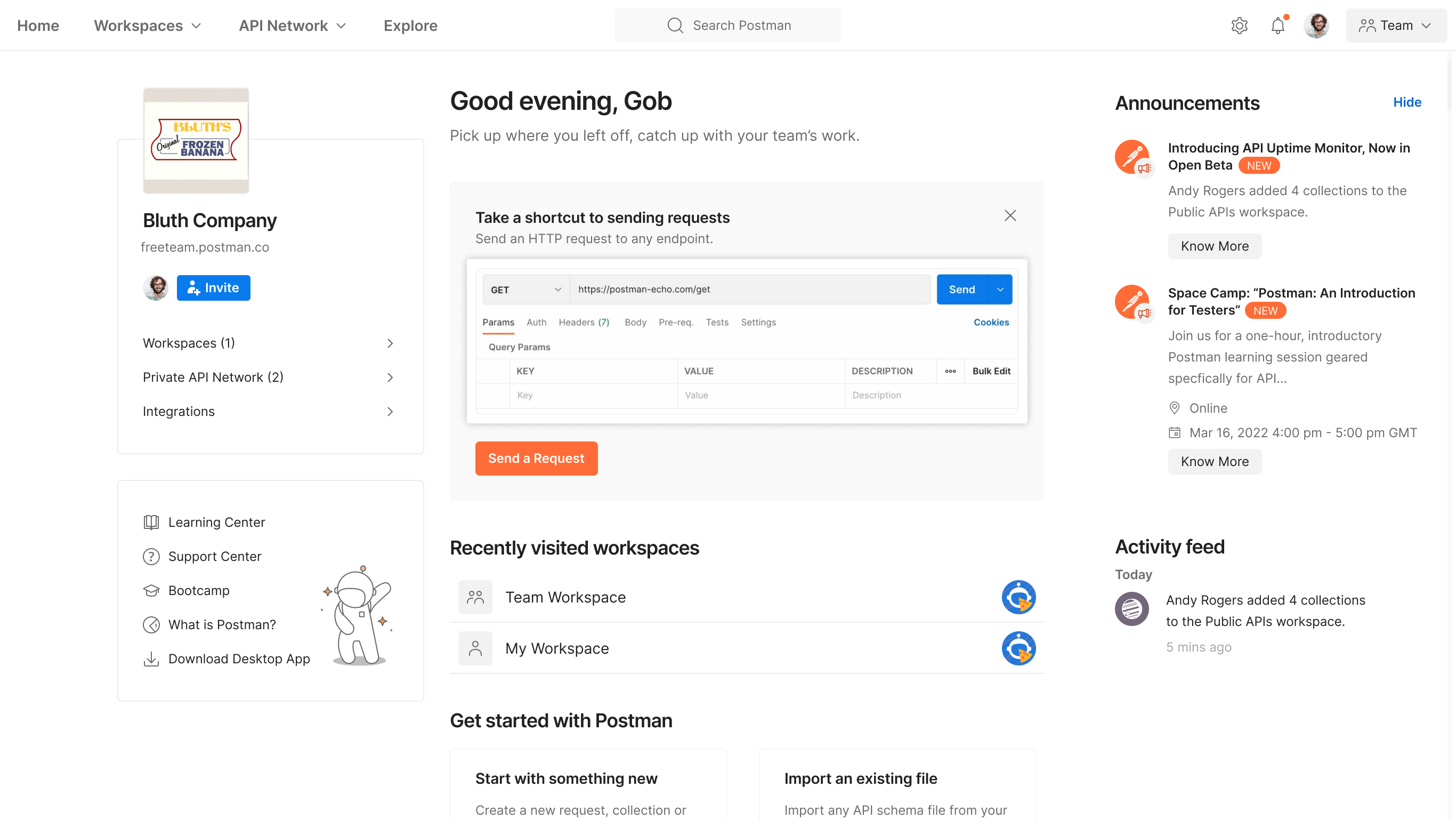
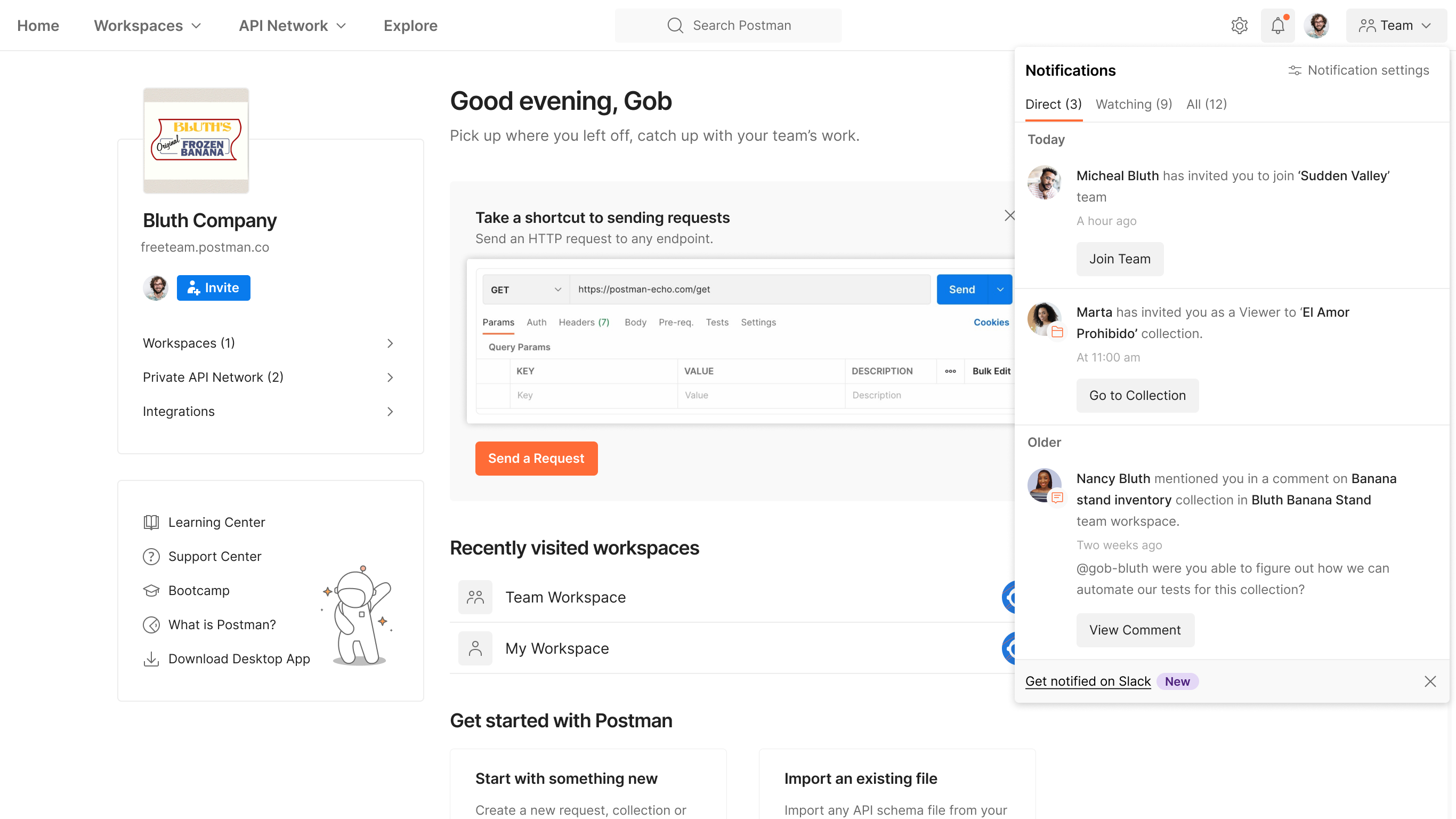
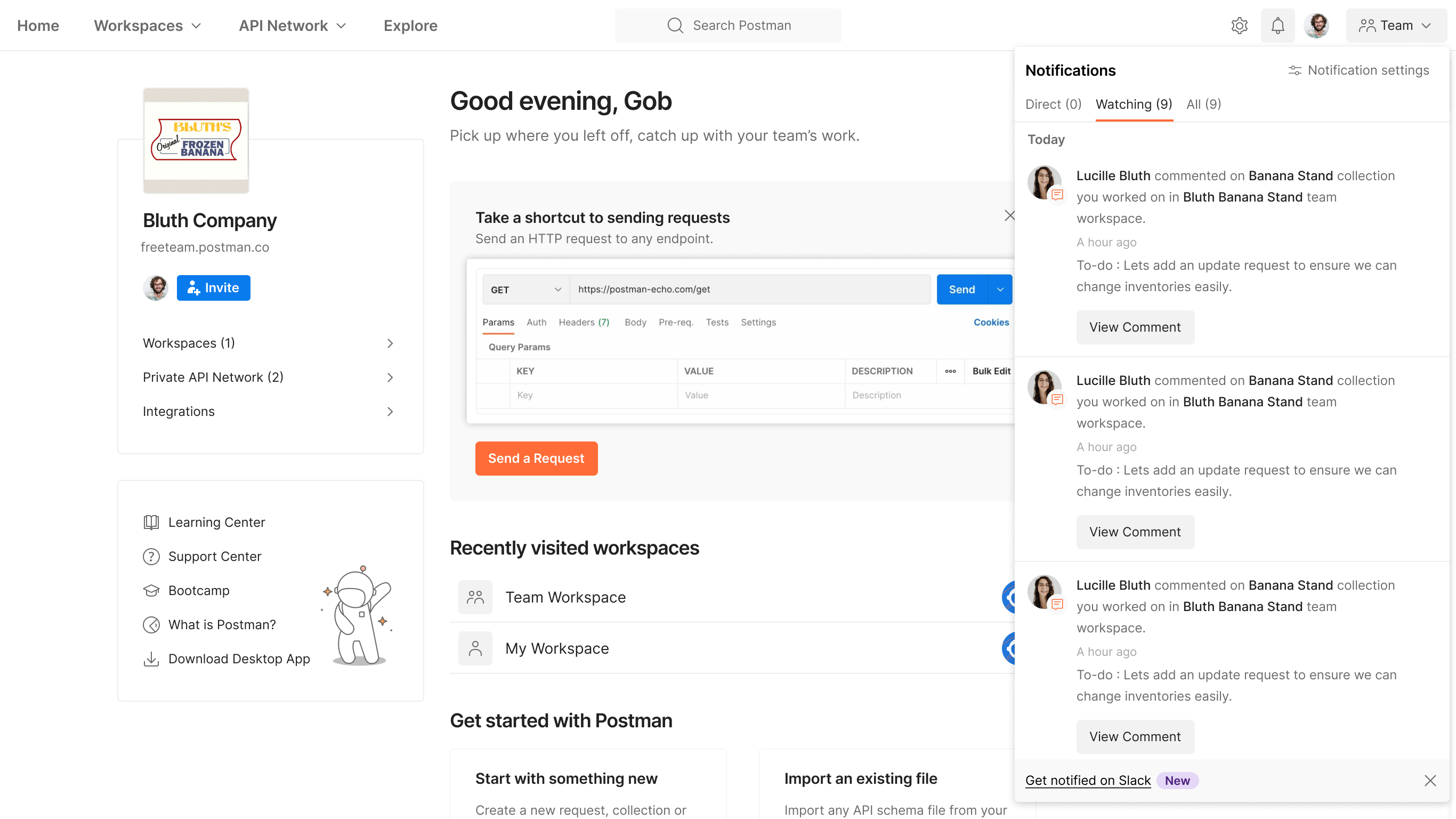
The solution reorganized notifications into priority-based categories with a new alert pattern. A pulsing animation on the notification bell catches attention when a high priority notification arrives. Non-intrusive, but hard to miss. After a few pulses it settles back to a standard indicator and waits for the user to engage.
To ensure success I validated designs through crits and reviews, collaborated with engineering on quality of UX, established animation needs, and tracked success through growth experimentation timelines.
Experiment Results
The A/B test ran through February 2023. Results showed a clear positive impact and the experiment was pushed to 100% of users.
Road to GA
With the experiment showing clear positive results, the next step was preparing for a full rollout. That meant tightening the work before it reached 100% of users:
Learnings
The biggest unlock was framing notifications as a prioritization system, not a feed. Once we had a clear definition of what high, medium, and low priority meant, every other design decision followed naturally. That definitional work upstream made the visual and interaction decisions downstream much faster.
The pulse animation was a small detail that had an outsized impact. It respected user attention rather than demanding it, which is exactly what a notification system should do. The data showing it outperformed the no-pulse variant validated that restraint often works better than loudness.
Shipping as an A/B test first was the right call. The experiment gave us real signal on what actually changed behavior versus what we assumed would. That data made the GA conversation easy and set a precedent for how the growth team approached future experiments.